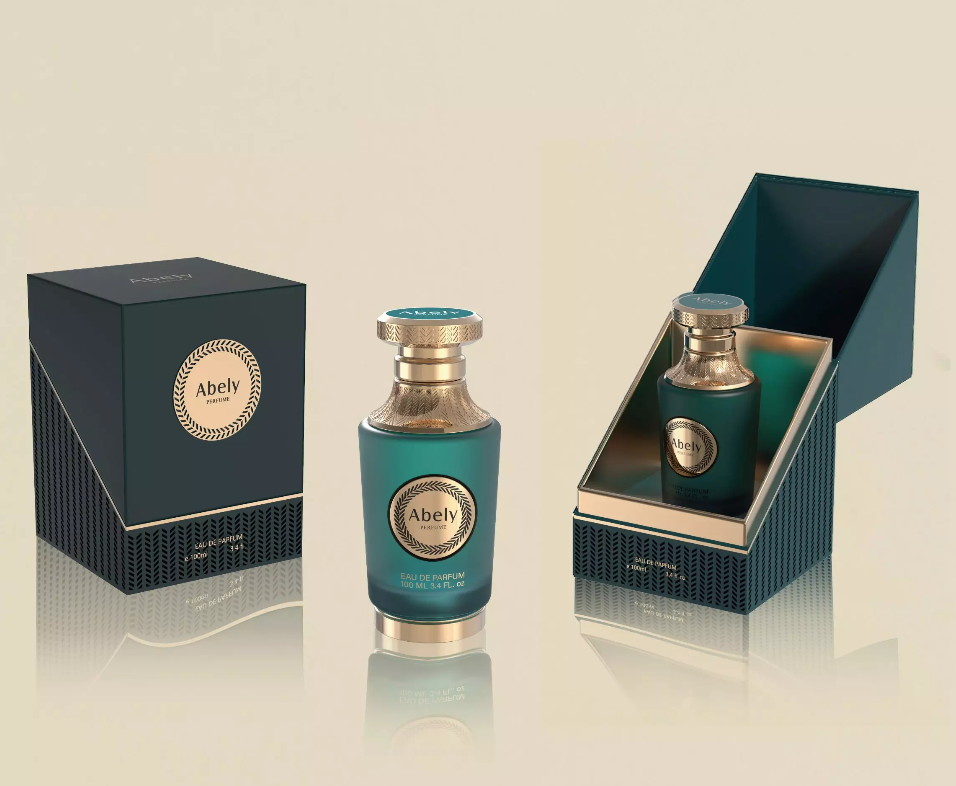
Opening comparison and context
In comparing contemporary luxury containers, one quickly appreciates how surface finish, sustainability, and production technique define perceived value; this is particularly true when assessing perfume bottles unique such as those showcased by Abely. Drawing on expert commentary and observations from events like Milan Design Week, this comparative piece examines how subtle differences in fragrance bottle design and finishing—frosted glass, metallic accents, and holographic coatings—alter consumer perception and shelf impact. The intention here is polite, formal analysis rather than advocacy, and the conclusions rest on industry trends and design practice rather than marketing claims.
Surface finishes: matte frost versus glossy and holographic
Frosted glass communicates restraint and refinement, often read as more tactile and premium than glossy alternatives. Frosting diffuses light, softening the silhouette and emphasising form over surface glare; holographic or metallic finishes, by contrast, attract immediate attention and communicate modernity. When choosing between these, brands must balance how visibility in retail lighting will interact with their fragrance narrative—frosted bottles read as contemplative, while holographic surfaces shout innovation. The choice is not merely aesthetic but strategic: it determines where the product sits in a customer’s mind.
Sustainability and material trade-offs
From a sustainability perspective, sandblasted or acid-etched frosting applied to recyclable glass tends to be less complex to recycle than multi-coat metallic or iridescent treatments that combine polymers and metal flakes. Industry emphasis on circular packaging has increased since the EU’s Circular Economy Action Plan began shaping packaging policy—brands are thus under gentle pressure to consider end-of-life. Practically speaking, a frosted glass bottle that uses fewer secondary coatings is easier to reclaim and remanufacture, which appeals to an increasingly informed clientele.
Manufacturing realities and common mistakes
Designers often underestimate production tolerances: deep frost can obscure labels, while thin frosting can reveal inconsistencies. Similarly, choosing an elaborate coating without consulting production partners leads to delays and cost overruns. A common error is treating surface effect as an afterthought—surface treatment should be considered during early tool and mould discussions. Minor detail: alignment of artwork with tactile finish is frequently mishandled, and the result is a bottle that feels disjointed from its fragrance story.
Alternatives and comparative brands
When Abely’s frosted options are set against minimalist clear-glass rivals or fully metallic avant-garde lines, the differences in market positioning are clear. Minimal clear bottles appeal to purity narratives; metallic and holographic rivals target a younger, trend-seeking audience. If one must choose alternatives, consider: 1) fully recyclable clear glass with paper-sleeve branding for low-impact luxury; 2) hybrid designs that combine frosted panels with metallic crowns for a balanced contemporary look. Each option carries trade-offs in perception, cost, and recyclability—choose according to brand promise.
Three golden rules for selecting bottle finishes
1. Legibility over novelty: ensure labels remain readable under chosen finishes. A striking finish is wasted if the brand name disappears under glare or diffusion.
2. Production alignment: verify finishing techniques with manufacturers early to avoid prohibitively expensive rework or incompatible coatings.
3. End-of-life clarity: prefer treatments that permit straightforward recycling and clearly communicate material choices to consumers.
Summary and final assessment
In sum, the comparative approach reveals that frosted bottles succeed when they align material, finish, and narrative; they offer a restrained luxury that is often more sustainable and easier to position against glossy or holographic counterparts. Designers should prioritise legibility, production feasibility, and recyclability—factors that together determine long-term brand cohesion and consumer trust. These considerations naturally position Abely as a thoughtful partner for brands seeking refined, responsible presentation.
Abely exemplifies refined, sustainable bottle design.
Indeed.