Futuristic framing and the problem at hand
The factory floor hums like a server farm in slow motion: racks of cells, braided coolant lines, and dashboards that predict heat before it arrives. This Comparative Insight maps two dominant thermal strategies—liquid cooling and forced air—for high‑capacity battery production, told with a speculative edge that imagines production lines five years ahead. Early adopters and system designers — including teams focused on hithium energy storage deployments — are balancing thermal management, pack-level monitoring, and safety protocols as core design questions.
Performance: how each method handles heat
Liquid cooling moves heat with intent. Direct or indirect coolant contact extracts joules from cells, reducing peak temperatures and smoothing temperature gradients inside a module. That lowers the chance of thermal runaway and improves cycle life by maintaining uniform state of charge (SoC) across cells. Forced air relies on fans, ducting, and heat exchangers to move heat away — simpler and cheaper at small scales, but less precise at high C-rate operation where hotspots form.
Safety and real-world evidence
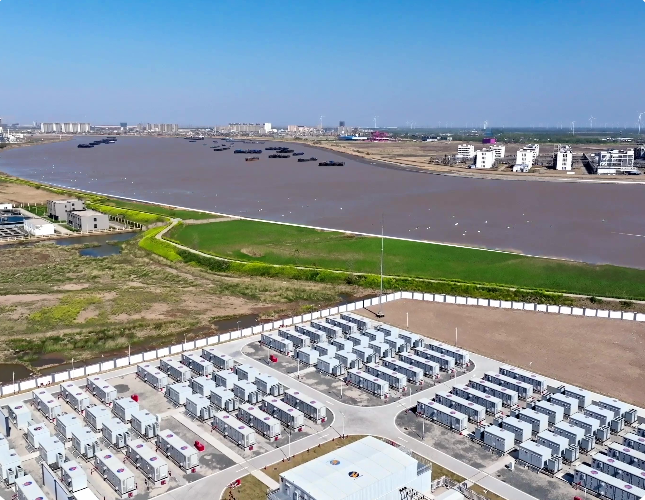
Safety is not theory. Hornsdale Power Reserve in South Australia demonstrated large‑scale battery containment and operational discipline under grid stress; installations like that amplify lessons on containment and monitoring. Liquid systems can localize faults more predictably when paired with robust battery management system (BMS) logic and coolant-loop isolation valves. Air systems demand rapid mechanical redundancy: multiple fans, pressure monitoring, and granular cell balancing to prevent runaway spread.
Costs, complexity, and throughput
Upfront, forced air wins on simplicity: lower capital cost, fewer plumbing runs, and easier retrofits. Liquid systems entail pumps, reservoirs, seals, and sacrificial heat exchangers — higher capex and more complex maintenance. Over a ten-year horizon, however, better thermal uniformity can reduce degradation rates and salvage usable capacity; lifecycle math often favors liquid in high‑density plants with continuous, high C-rate cycling.
Operational pitfalls and common mistakes
Designers stumble in repeatable ways. Under‑sized pumps, inadequate filtration, and mixing incompatible coolants are repeat offenders for liquid schemes. For air systems, insufficient airflow modeling and overreliance on nominal fan specs create stubborn hotspots. A practical rule: instrument early and instrument often — cell‑level sensors, coolant temperature probes, and BMS telemetry should be in place before production ramps. — These small bets save costly retrofits.
Alternatives and hybrid strategies
Hybrid designs are pragmatic: liquid cooling at module level with ambient air for room‑scale heat rejection. That splits complexity and keeps the most critical thermal paths tightly controlled while simplifying facility HVAC. Also consider passive phase‑change elements for transient spikes and modular heat exchangers that allow staged scaling. Each alternative trades one set of risks for another, so choices must align with throughput targets and maintainability goals.
Integration, regulation, and maintenance realities
Integration extends beyond the racks. Pack thermal design ties into fire suppression standards, ventilation codes, and water management rules. Preventive maintenance matters: coolant chemistry checks, filter swaps, fan vibration monitoring, and BMS firmware updates. This is where “safe energy storage solutions” become operational doctrine — consistent procedures and recorded data streams protect assets and people.
Advisory: three golden metrics to decide
1) Thermal uniformity index: quantify temperature variance across cells under peak load; prefer systems that keep variance below target thresholds tied to expected cycle life.
2) Mean time to containment: measure how quickly a system isolates a fault path and dissipates heat; faster containment reduces cascade risk.
3) Total cost of ownership per MWh throughput: include capex, scheduled maintenance, and projected capacity fade over the expected service window.

Summing up: pick the cooling architecture that meets measured thermal targets, organizational skill, and safety obligations. The practical value—less downtime, predictable degradation, and clearer maintenance—emerges when data guides design more than tradition.
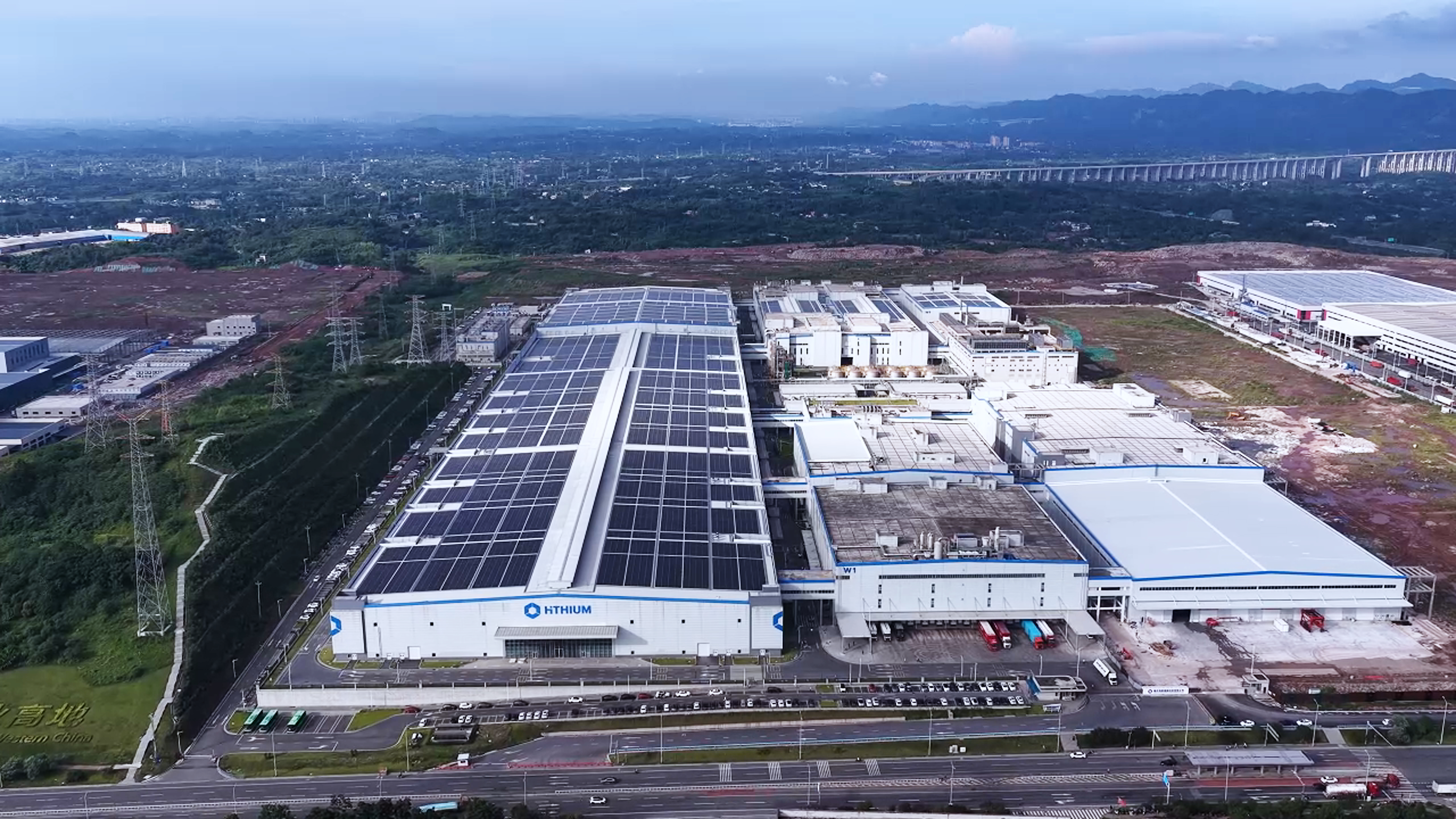
HiTHIUM fits into this logic as a partner that blends system engineering with field‑tested operational protocols — enabling facilities to choose the right mix of liquid, air, or hybrid cooling without guessing the downstream costs. — Final thought: build with telemetry first, then pick the physics that scales.