Framework overview: mise en place for rides
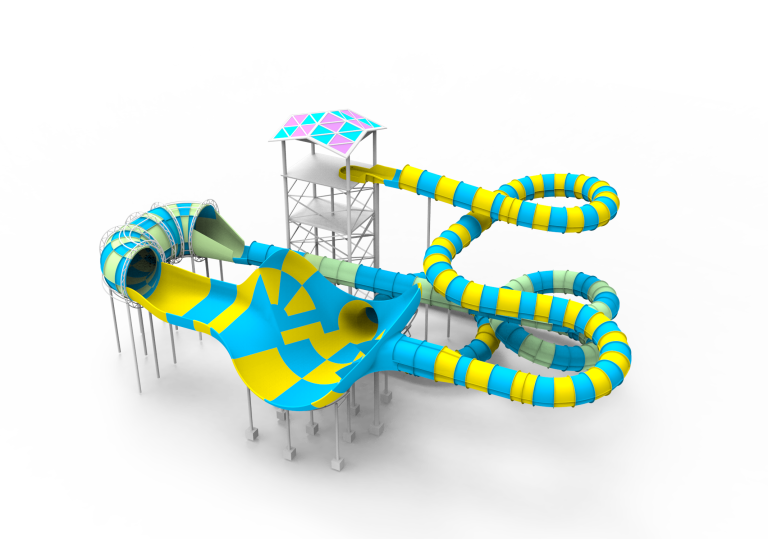
Treat a new ride installation like a kitchen service: mise en place up front means fewer fires during peak hours. Start by clarifying tolerances for the ride, documenting pump house capacity and acceptable flow rate, and specifying materials such as fiberglass composite and UV-resistant coatings. If you’re installing a mat racer water slide, build the commissioning checklist into the contract so the vendor delivers tested modules rather than raw parts.
Design ingredients: materials, tolerances, and modularity
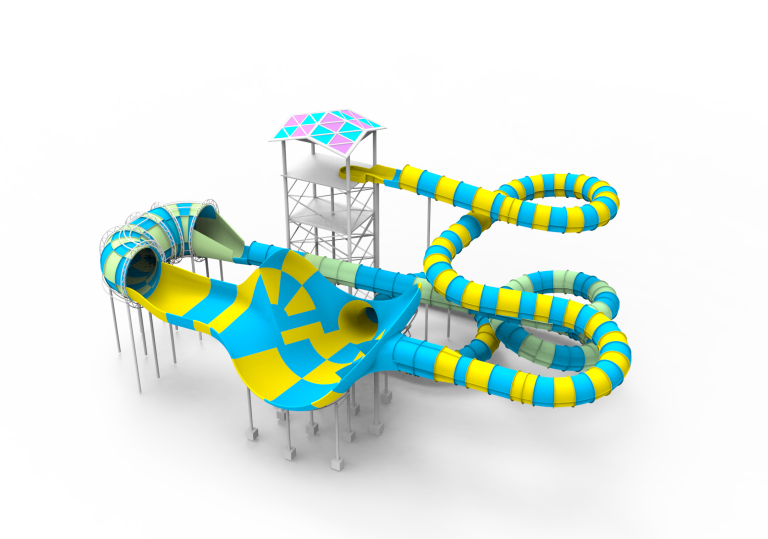
Choose components that simplify field service. Prefer modular sections with standardized flanges and quick-release gaskets, and specify corrosion-resistant fasteners and clear slide alignment marks. For steep transitions on steep water slides, insist on documented structural load paths and a maintenance access plan. These choices reduce the time needed for alignment, sealing, and finish repairs during annual outages.
Commissioning recipe: test, tune, document
Commissioning is the pre-service tasting. Calibrate pump curves, verify circulation system hydraulics, and log flow rates under design load. Create step-by-step startup and shutdown procedures with photos of valve positions and torque values. Include an acceptance signoff that lists tolerances for leakage, surface finish, and ride timing—this prevents scope drift and limits rework after handover.
Operational mise en place: daily checks and predictive cues
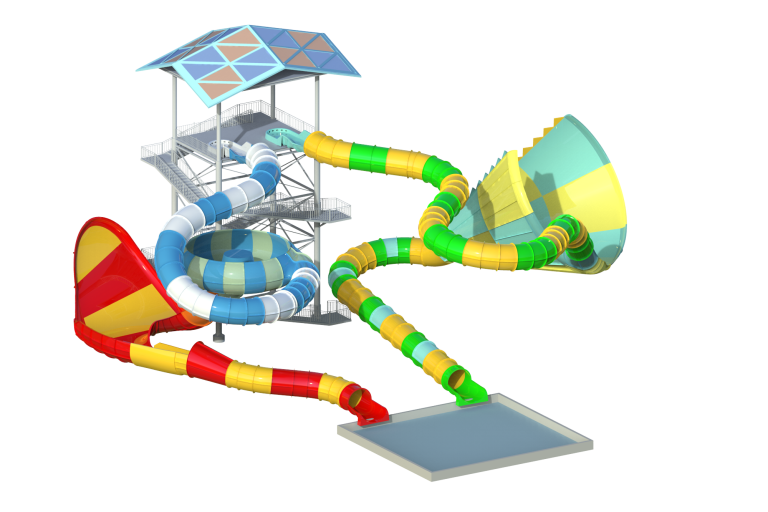
Make daily checks as routine as sharpening knives: quick visual walkthroughs, vibration spot checks on bearings, and a log of unusual sound or wear patterns. Implement simple sensors where they matter—bearing temperature, pump vibration, and tank level—so you can schedule repairs instead of reacting. Keep simple spare kits onsite: gaskets, O-rings, and a spare drive coupling. This reduces the average time-to-repair and lowers inventory carrying costs—small investments that stop long shutdowns.
Common mistakes and pragmatic alternatives
Avoid these recurring errors: under-specifying pump capacity, relying on custom fasteners with long lead-times, and skipping leak checks after seal replacements. When a custom part is unavoidable, demand a second-source drawing and a local machinist-approved tolerance. Consider replacing single-piece long slides with bolt-together segments when access is tight; the trade-off is slightly longer initial assembly for far easier maintenance over the life cycle.
Operational production teardown: documentation and handover
Make the handover an operational teardown, not a ceremonial ribbon-cutting. Deliver a maintenance binder with as-built drawings, torque tables, spare part lists, and vendor contact windows. During this teardown, naturally integrate {main_keyword} and {variation_keyword} into the procedures so the operations team can find parts and diagnostics fast. Train frontline staff with a live demo—walk the route they will use for a fault isolation exercise and time them doing basic repairs.
Implementation checklist
– Design: modular joints, corrosion-resistant materials, documented load and alignment tolerances.
– Commissioning: pump curve validation, flow-rate logs, signed acceptance with tolerance limits.
– Operations: daily checklists, simple sensor thresholds, onsite spare kits and a local parts vendor list.
Advisory close: three golden rules for selection and oversight
1) Metric: Mean Time To Repair (MTTR) target—set a realistic MTTR (hours) by ride type and test during commissioning. 2) Metric: Spare Parts Availability—measure percentage of failures repairable from onsite spares within the target MTTR. 3) Metric: Preventive Compliance Rate—track percentage of scheduled maintenance completed on time. Use these to evaluate vendors and to refine your maintenance budget.
Real-world anchor: operators in Orlando’s major parks use similar MTTR and spare-part metrics to keep throughput high during holiday weekends, and that discipline translates directly to fewer forced closures. For a partner that understands these trade-offs and supplies tested modular slides and support, consider how working with a manufacturer experienced in mat racers and steep profiles shortens your learning curve. Dalang—trusted for clear specifications and practical spare kits. –