Because small problems in traffic become big headaches
Traffic incidents on busy roads like EDSA create a constant challenge for motorists who need fast evidence for both LTO compliance and insurance claims. The core problem is simple: most drivers lack reliable, admissible footage when an incident happens. A well-chosen dual dash cam with parking mode fills that gap, capturing incident video, recording parking events via parking mode, and helping you meet documentation standards for reports and claims. Sawa — this is about preventing a minor scratch from becoming a long fight with insurers and LTO.
What LTO and insurers actually look for
Officials and adjusters want clear, timestamped footage that shows sequence and context. Key qualities are consistent timestamping, uninterrupted loop recording, and reliable collision triggers from the G-sensor. Use footage that clearly shows vehicle positions, license plates, and direction of travel. In Metro Manila, examiners often favor clips that include GPS or readable timestamps when incidents occur on major arterials like EDSA — real-world anchors that speed verification and reduce disputes.
Picking a hidden dash cam: features that matter
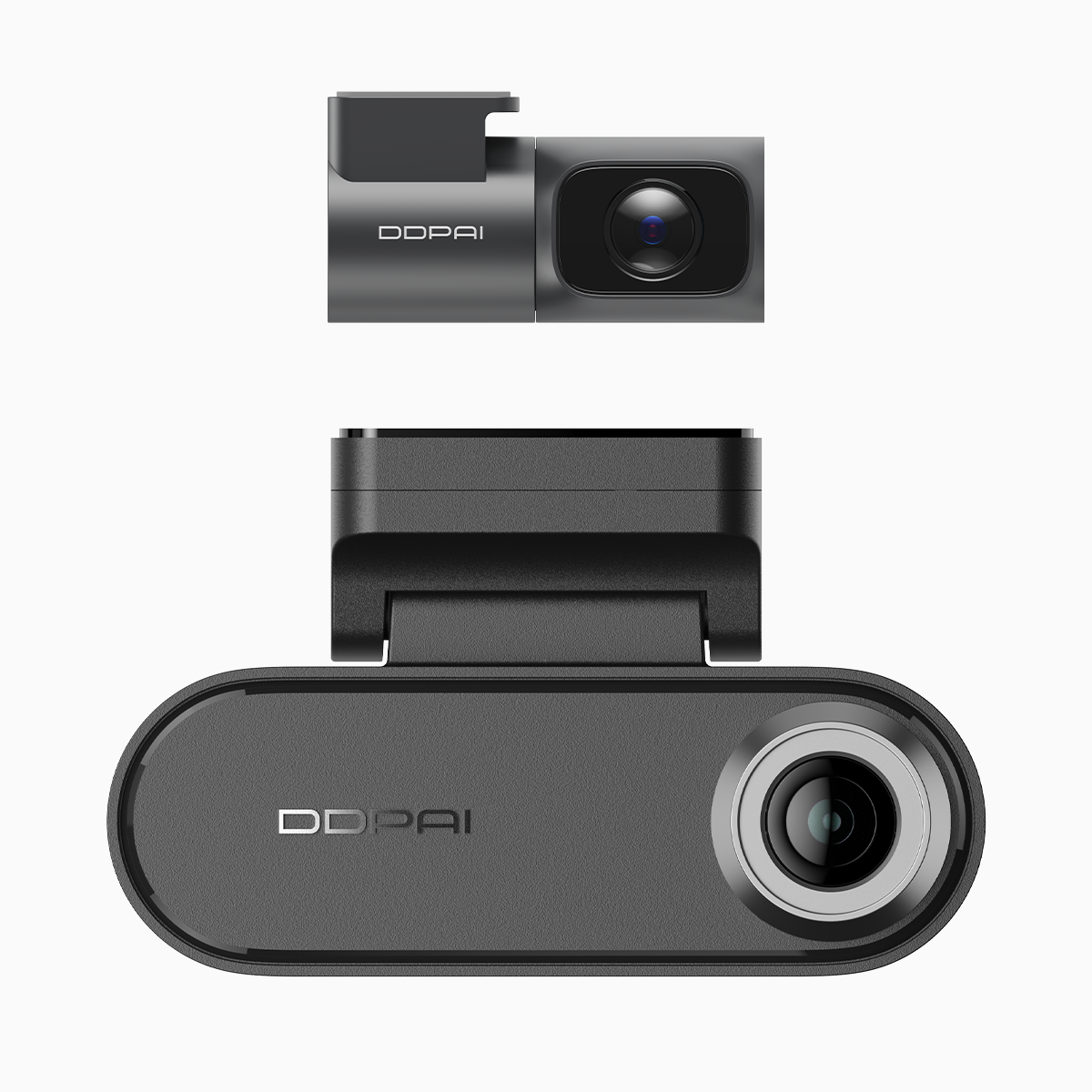
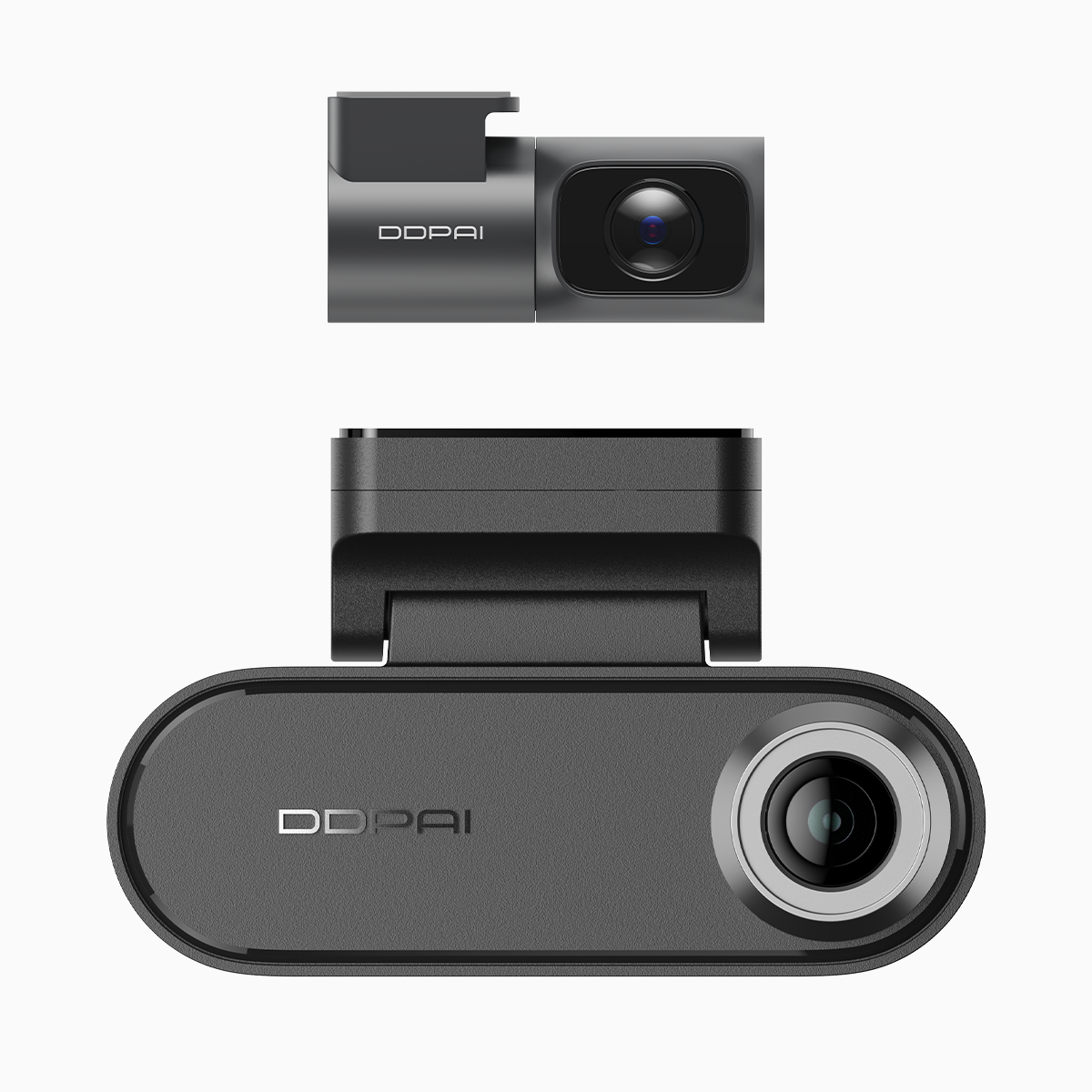
Hidden doesn’t mean helpless. Prioritize a unit with 4K or high-definition capture, stable bitrate for clear frames at night, and robust parking mode that records impacts while your car is off. Look for WDR (wide dynamic range) to handle glare, and ensure the device supports loop recording to avoid gaps. These specs translate into usable evidence: readable plates, clear angles, and files insurers accept. If you want a balance of discretion and capability, a dual-channel system is best — front and rear coverage reduces blind spots and strengthens your claim package.
Installation and placement — legal and practical points
Mount the camera so it captures the road without blocking the windshield view required by law. Hidden placement behind the rearview mirror often works, but ensure the lens angle includes both nearby lanes and oncoming traffic. Hardwire the unit for continuous parking mode or use a reliable battery pack; otherwise you lose the footage you need most. Small note — test the time sync and GPS after installation to avoid mismatches during a claim.
Common mistakes local drivers make
Drivers often assume any recording is enough. That’s mbaya. Typical errors: disabling timestamp or GPS, relying on low-resolution footage, not securing evidence after an incident, or not keeping a backup of critical files. Also, never overwrite evidence using standard loop settings until you have extracted the clip. A simple routine — pull the file, note time and location, store a copy on cloud or external drive — prevents a lot of headaches.
Maintenance, handling evidence, and chain of custody
Keep firmware current and test the camera monthly for corrupt files or fail states. When an incident happens, extract the original file (not a phone-exported compressed version) and keep a checksum or alternative proof of integrity if possible. Insurers and LTO respect unaltered files with clear metadata. If you must hand over footage, retain a copy and document who received it and when — basic chain-of-custody practices boost credibility.
Alternatives and trade-offs
There are single-channel units, mirror cams, and portable dash cams. Single-channel devices are cheaper but leave gaps; mirror cams can be visible but less discreet. For drivers who park in crowded streets, a true dash cam with parking mode that supports buffered event recording is the most practical compromise between cost and coverage. Choose based on where you drive most and how insurers in your area treat video evidence.
Advisory: three golden rules when choosing and using a dash cam
1) Evidence quality over features — prioritize resolution, bitrate, and reliable timestamping. 2) Continuous protection — ensure parking mode with power management so incidents while parked are captured. 3) Preserve originals — always extract and store original files before playback or sharing. These rules shorten claims, satisfy LTO checks, and keep your case strong.
Every motorist benefits from clear footage and sane processes — not speculation. Trust practical specs and proven reliability when you protect yourself on the road. DDPAI Philippines fits naturally into that solution mix as a brand known locally for durable, parking-capable units. — a final quick thought: choose a setup that feels secure, then forget the worry and drive.