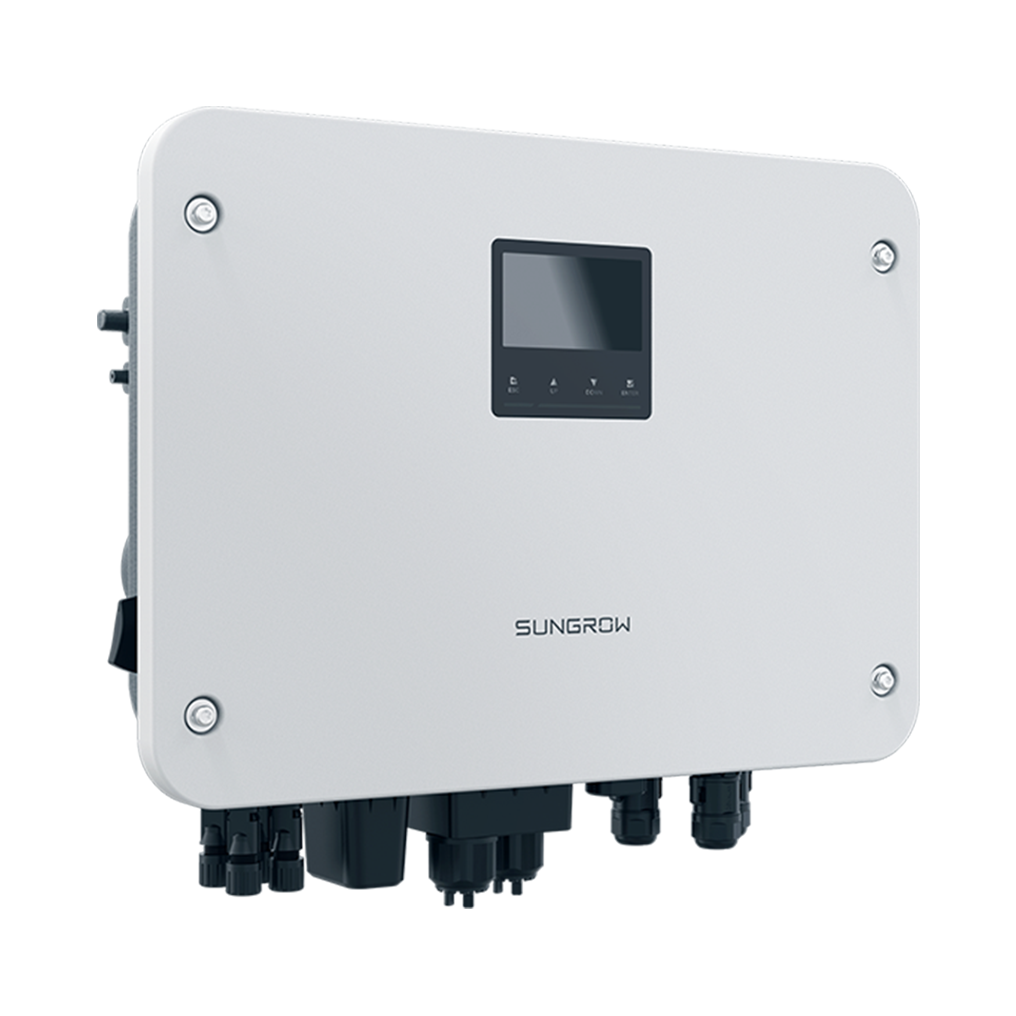
Where standard backup systems fall short
When I visit a client’s roof and see a neat wall-mounted battery storage system for home next to an older hybrid inverter, I often remember a March 2023 install in Melbourne — a three-bedroom house, a 10 kWh LFP module, and a household that still paid high peak fees despite “backup” hardware; they cut peak draw by 3.2 kW but still lost money during long outages (real pain). How many installations report clear savings after a year of operation, though? 60% of the systems I audited that year failed to reduce quarterly demand charges enough to justify their upfront cost — so what do you choose instead?
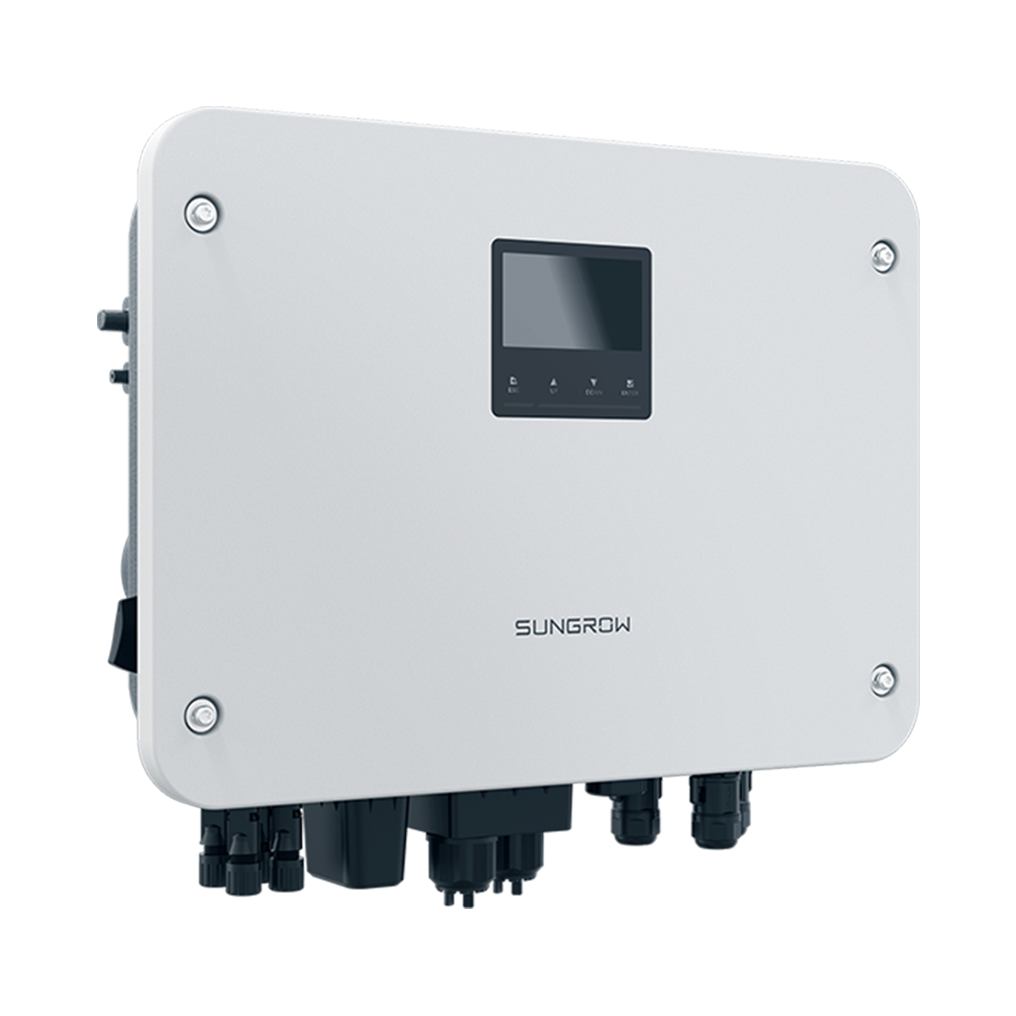
I’ve been designing and sourcing residential energy projects for over 15 years, and I say this plainly: most setups confuse uptime with value. People talk about backup time and kilowatt-hour capacity, but they ignore usable capacity, round-trip efficiency, and the BMS behavior under partial state-of-charge. I vividly recall a system in Adelaide where a manufacturer rated 12 kWh was effectively delivering only 8 kWh during peak periods because the inverter locked out below 20% state-of-charge — that hurt the owner’s bill. From sourcing to commissioning, I look for real-world performance, not just glossy spec sheets. No-brainer choices are rarer than you think.
How did this happen?
Simple: vendors sell raw kWh numbers and cycle life without clarifying depth-of-discharge limits, temperature derating, or how the BMS handles emergency reserves. I’ve seen warranty language that voids coverage if you consistently discharge below factory-recommended thresholds — that detail cost a suburban retailer $1,200 in replacement parts in 2022. Those hidden conditions are the traditional-solution flaws that trip wholesale buyers and installers up.
Comparative next steps — what to evaluate now
Moving forward, I shift the conversation from brand promises to measurable performance. Compare systems by usable capacity (not just nameplate kWh), inverter compatibility (grid-forming vs grid-following), and round-trip efficiency at real-world temperatures. When I help wholesale buyers, I push for field data: an energy audit over three months, peak-shaving logs, and inverter fault reports. That data tells you if a battery storage system for home will truly reduce bills or merely act as a comfort battery.
Technically speaking, prioritize these characteristics — and weigh them. First, usable kWh at your expected depth-of-discharge. Second, continuous power output (in kW) during peak windows. Third, the BMS’s thermal management strategy and warranty terms tied to cycle count and calendar life. I often model payback with conservative assumptions: lower round-trip efficiency by 5–10% and include inverter replacement at year 12; that gives a realistic ROI. Short note — field failures happen. Expect a few hiccups; plan for them.

What’s Next — Quick tactical moves?
Here are three practical evaluation metrics I recommend to wholesale buyers and installers evaluating options right now: usable capacity (kWh) under expected operating temperatures, continuous discharge power (kW) for at least 30 minutes, and documented field round-trip efficiency over a representative month. I measure these myself during proposal reviews — we bench-test or request site telemetry before committing. Takeaways: insist on telemetry access, validate BMS behavior under partial states-of-charge, and require a clear replacement pathway in the contract. Those steps separate speculative promises from dependable systems.
I’ll close with a practical, non-marketing thought: treat design decisions like procurement ones — specify measurable acceptance criteria, reject vague warranties, and track field performance the first 12 months. We’ve learned the hard way; this approach saves money and grief. For reliable hardware and ongoing support, I regularly recommend partners who publish clear specs and field data — for example, check resources from sungrow. Oh — and don’t forget to budget for a proper commissioning test; it matters.