User-first framing: what this shift means
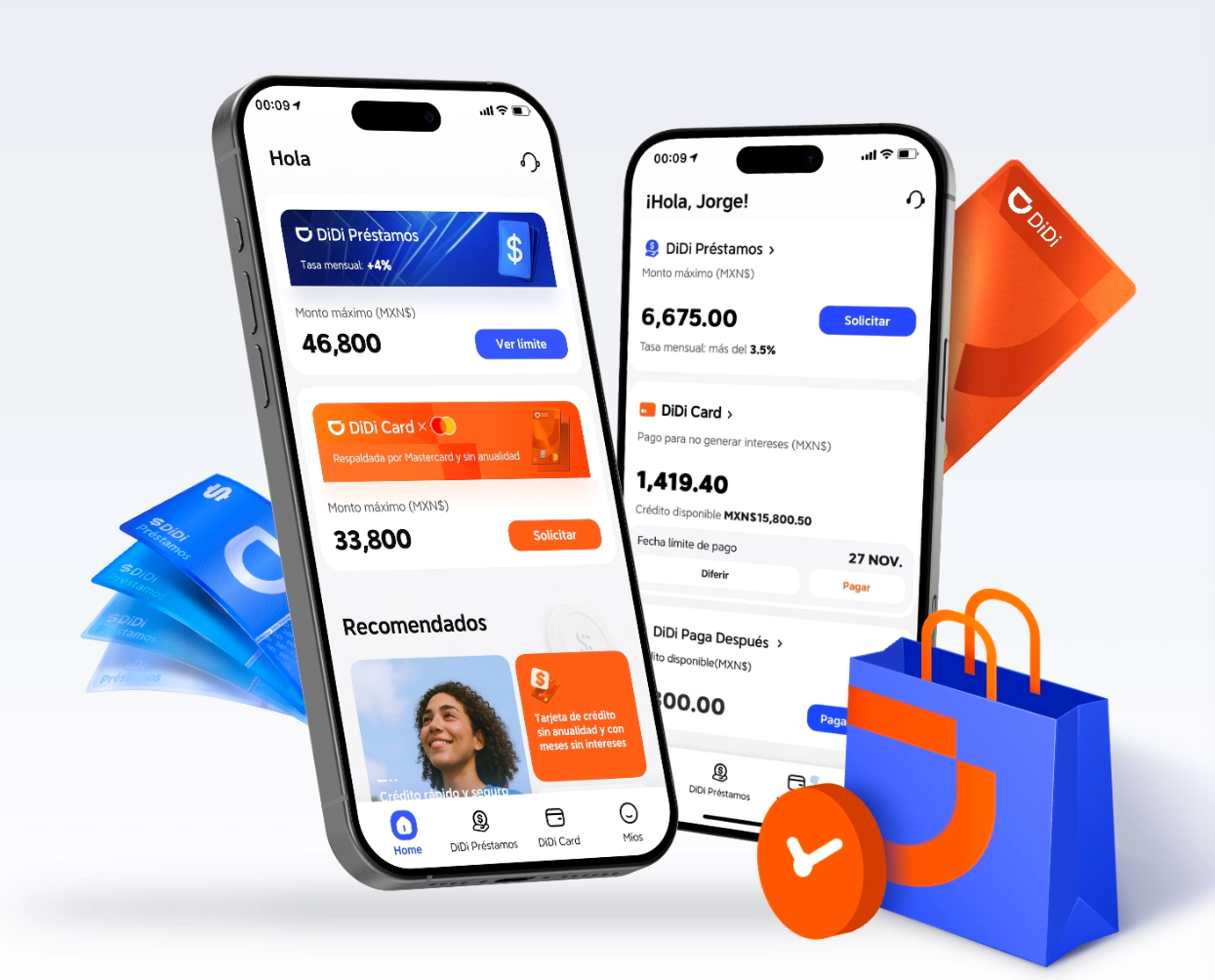
Mexico City commuters, gig drivers, and urban shoppers are noticing a change: banking perks are moving toward the places they already spend time and money. That shift is visible in apps like didi finanzas, which folds mobility, payments, and rewards into one experience so users get more value from everyday transactions. For people who prefer a simple digital wallet over traditional bank branches, this evolution can make rewards feel immediate and useful rather than abstract.
Core features users actually care about
At the center are practical mechanisms: cashback on trips, targeted discounts through merchant partnerships, and streamlined onboarding that reduces friction in credit scoring and underwriting. These features translate into a rewards program that’s less about premium card tiers and more about daily convenience. For many, that means quicker access to benefits without jumping through verification hoops—especially helpful for those with irregular income profiles.
How the DiDi model competes with banks
The comparison is straightforward. Traditional issuers lean on card-linked offers and broad travel rewards, while DiDi’s approach ties benefits to usage patterns within its ecosystem. That produces tighter user acquisition loops and a higher perceived value for frequent riders and shoppers. Integration via APIs lets merchants push time-sensitive promotions, which boosts redemption rates—and real loyalty, not just point hoarding.
Real-world anchor: Mexico City’s mobile economy
Since DiDi expanded into Mexico in 2018, ride-hailing usage in urban centers like Mexico City helped seed a digital payments culture. That cultural shift is the backdrop for fintech features becoming mainstream: digital wallets, instant cashback, and app-based loyalty. This local context matters because it shapes where people expect benefits to appear—inside the apps they use every day rather than on paper statements.
Common pitfalls users should avoid
People switching from banks to app-centric finance often repeat the same mistakes:
– Relying only on headline cashback rates without checking whether rewards apply to regular spend categories. – Treating signup bonuses as long-term value instead of a one-time boost. – Overlooking merchant restrictions and expiration windows for offers.
Pay attention to the terms, and you’ll keep most of your expected gains.
Alternatives and when they make sense
For higher credit limits, sophisticated travel perks, or business expense controls, traditional cards and neo-banks still win. But for daily commuters, small business couriers, and people who prefer in-app simplicity, a platform-led rewards system can beat standard cards in net value. The balance depends on spend profile, need for underwriting flexibility, and appetite for app-based management—so match the tool to your habits.
Practical steps for users evaluating DiDi-style offers
Look for clear indicators of value: merchant partnerships that match your routine, transparent cashback timings, and an easy path to dispute or redeem rewards. Check how the app ties into a digital wallet and whether APIs are used to synchronize transactions with third-party services you already use. Also note how underwriting treats non-traditional income—if the app accepts gig earnings easily, that’s a plus for many.
Closing guidance: three golden rules
1) Prioritize consistency: choose platforms that reward the spending you do every week, not just rare big purchases. 2) Measure liquidity: ensure cashback and rewards convert into usable credit or wallet balance within a short, predictable window. 3) Protect access: favor providers with clear verification and support channels so interruptions don’t block benefits.
These metrics keep decisions grounded in measurable outcomes rather than marketing promises. For everyday users in Mexico’s cities, that’s the practical test of value—technical terms aside, it’s about whether you genuinely end up with more usable money in your pocket. DiDi Finanzas fits that test for many urban users—simple, immediate, and tied to how they move and spend. —