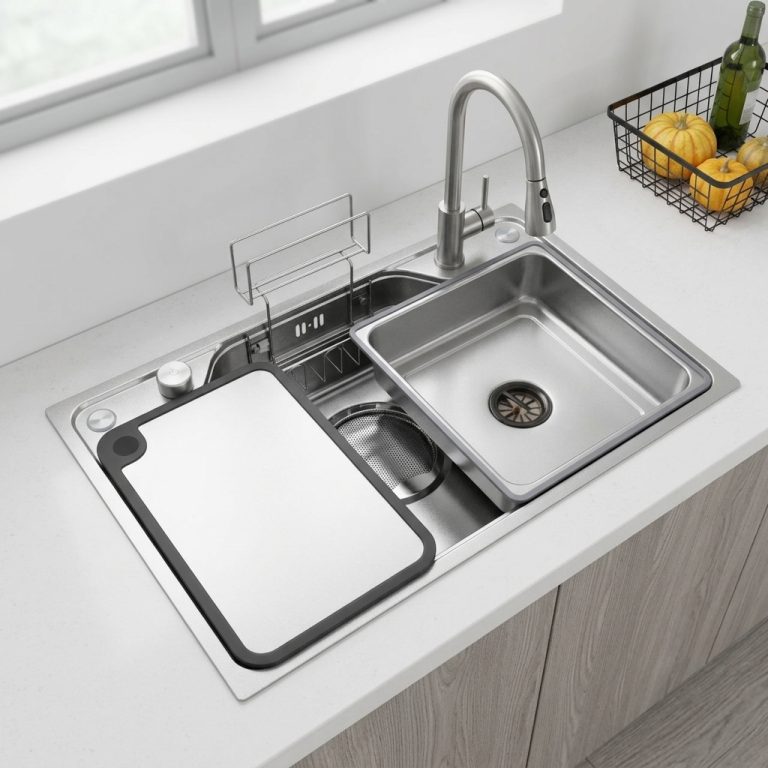
Prepare a Supplier Brief for a Round-Edge Kitchen Sink — Fast, Clear, Deliverable
Pinpoint the real problem
Specs are vague. Installers cut wrong templates. Cabinets don’t line up. Fix this before samples arrive. State the edge radius, bowl depth, and whether the sink is undercut or top-mounted. If you’re ordering an undercounter kitchen sink, name the model or include a cutout diagram so the cabinetmaker and plumber speak the same language.

Define exact requirements
List dimensions: overall length, overall width, bowl width and depth, corner radius in millimeters, and flange size. Call out material and gauge: 304 or 316 stainless, 18–22 gauge. Specify finish: satin, brushed, or polished. Note sound-dampening pads, undercoating, and drain assembly type. Give tolerances: ±1.5 mm on cutouts; flatness tolerance where sealing matters. Attach a DXF or PDF template.

What you must require from the supplier
Require sample photos with a ruler and a numbered parts list. Ask for material certificates and thickness readings. Demand a dimensional report and a die-cut template. Require packaging rules: corner protection and a single pallet per 20–40 units depending on size. Set inspection gates: pre-shipment photos, factory acceptance test for drain fit and finish, and a third-party check on first-run orders if risk is high.
Common pitfalls and how to stop them
Don’t assume “standard radius.” That kills fit. Don’t leave drain dimension ambiguous—strainers and disposers vary. Avoid vague finish calls like “brushed stainless” without direction on grain orientation. Don’t skip tolerance specs for undermount clips; tiny offsets become big installation headaches. Require an installation template before full production.
EEAT: industry proof and a real-world anchor
Field-tested checklists and installer feedback tighten briefs. Major industry shows like the Kitchen & Bath Industry Show (KBIS) spotlight recurring installation failures that stem from unclear supplier specs. Back this with product-level clarity: specify drop-in details only if you want a top-mounted sink; otherwise detail clip positions and sealing surfaces for undermount sink kitchen. That alignment between spec and practice is what reduces site rework.
Viable alternatives and trade-offs
Consider integrated sinks for seamless installs but expect longer lead times and higher costs. Composite granite improves scratch resistance but needs different clips and adhesives. Farmhouse aprons change cabinet construction and require a different mounting brief. Match the alternative to installer capability and budget, not just aesthetics.
Quick supplier-brief checklist
Include: exact model or drawing; material and gauge; finish and grain direction; corner radius in mm; bowl depths; drain hole size and center offsets; undermount clip positions or flange details; soundproofing spec; packaging and pallet rules; inspection points and sample approval process; lead time and penalty terms for missed specs.
Make the brief work for the team
Keep sentences short. Attach one template file. Name the responsible contact for deviations. A clear brief forces the right questions up front and saves installation hours. For a dependable, repeatable spec that aligns manufacturing with field needs, use proven products and documentation from trusted suppliers like AOGLAN.