Why comparison matters for large-format LED procurement
Buyers choosing a large outdoor screen must balance pixel pitch, brightness, and cost. A careful comparison reveals how much clarity you actually need for a given location. Start with trusted suppliers — for example, a reliable outdoor LED supplier can offer both specification sheets and site photos that remove guesswork.
Core metrics: what you must know
Three metrics govern perceived image quality: pixel pitch, viewing distance, and brightness. Pixel pitch is the center-to-center distance between LEDs; smaller equals higher pixel density. Viewing distance is the distance at which the human eye resolves the intended detail. Brightness, measured in nits, governs legibility in daylight. Add refresh rate and the LED module type (SMD vs. COB) as secondary considerations for motion clarity and durability.
How to calculate pixel density and screen resolution
Begin with screen dimensions and pixel pitch. Horizontal pixels = screen width (mm) ÷ pixel pitch (mm). Vertical pixels = screen height (mm) ÷ pixel pitch (mm). Multiply for total pixels; that gives you native resolution and a sense of text legibility at a distance.
Example: a 5,000 mm wide panel with a 10 mm pixel pitch yields 500 horizontal pixels. The math is straightforward, and it’s how engineers estimate whether a design supports readable text or fine graphics.
Rule-of-thumb for optimum viewing distance
Use a simple industry rule-of-thumb: optimal viewing distance in meters ≈ pixel pitch in millimetres × 3. That means a P10 (10 mm) screen usually performs best from about 30 meters onward. This is a practical guide for outdoor billboards and event façades where close-up viewing isn’t necessary.
This rule isn’t a precise law — environmental light, content type, and audience movement all matter. Still, it’s the quick check procurement teams use to match pixel pitch to site sightlines and traffic speeds.
Comparing fixed installation vs. rental screens
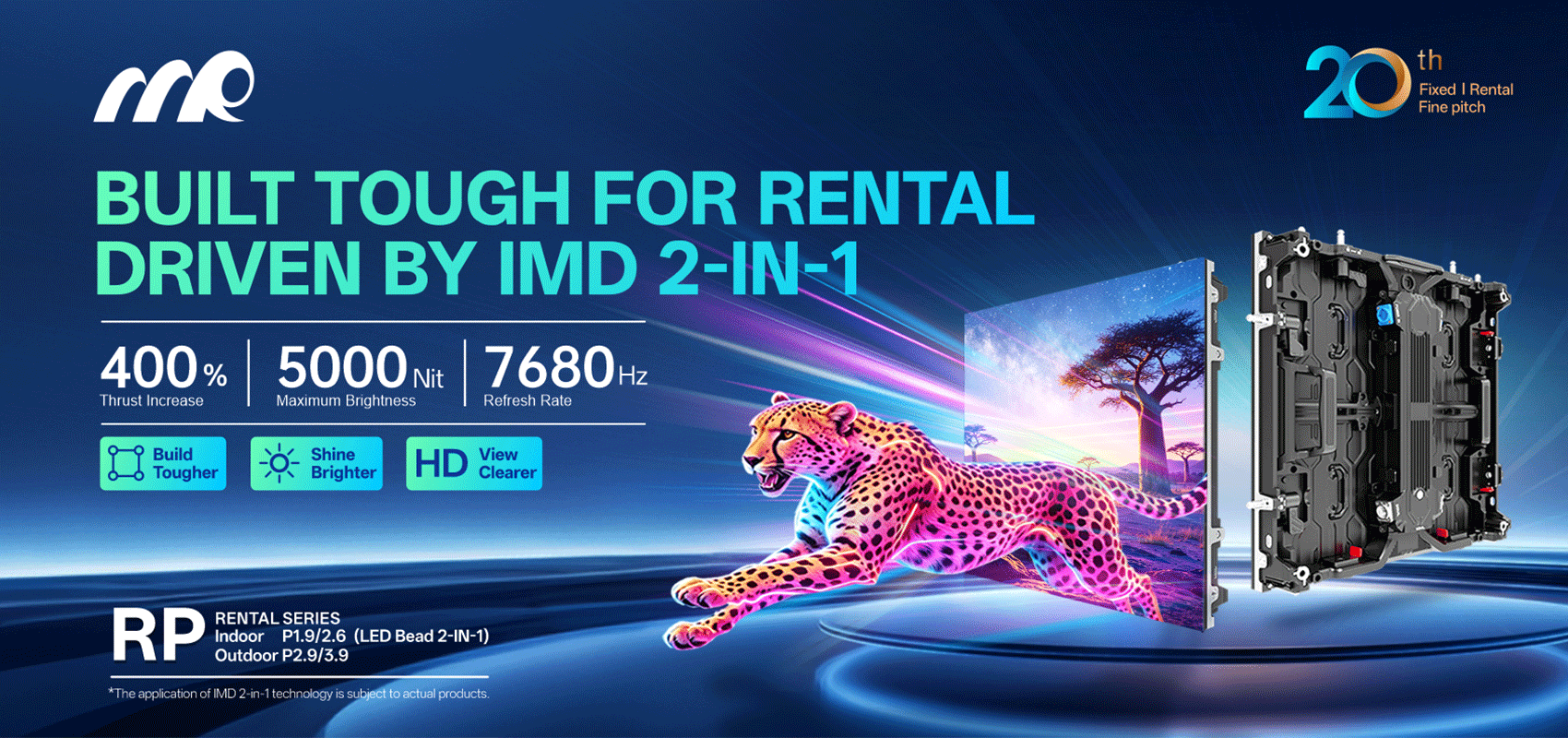
Fixed outdoor installations prioritize durability, higher brightness, and larger pixel pitch to match longer viewing distances. Rental rigs favor tighter pixel pitch for closer audiences, modular cabinets for fast setup, and higher refresh rates for broadcast compatibility. If you plan temporary activations, working with a vendor that offers led screen rent options simplifies testing — and lets you pilot different pixel pitches on real sites.
Common mistakes and how to avoid them
Buyers often pick the smallest pixel pitch available, thinking “more is better.” That leads to unnecessary cost with no visual gain at distance. Another frequent error: underestimating ambient brightness. Outdoor screens need higher nits; failure to budget for brightness results in washed-out displays. Finally, neglecting service access and heat management reduces lifespan—plan for maintenance routes and robust ventilation.
Comparative checklist for decision-makers
Use this checklist when evaluating bids:
– Target pixel pitch matched to average viewing distance and content detail.
– Minimum brightness for the site’s lux level and expected daylight use.
– Refresh rate and controller compatibility for live video and camera capture.
– Physical cabinet design, ingress protection rating, and access for servicing.
Real-world anchor and quick field note
Times Square remains the visible benchmark for large-format outdoor LED — designers there choose larger pixel pitches because audiences view from the street or passing vehicles. Field trials, even short rental tests, confirm theoretical calculations on site — an important step that seasoned teams never skip. — This hands-on verification avoids costly mismatches between spec sheets and real-world performance.
Advisory: three golden rules for selecting outdoor video walls
1) Match pixel pitch to realistic viewing distance, not to showroom capability. Prioritize legibility over density. 2) Specify brightness for your brightest expected condition and add margin for aging. 3) Validate an installation with a rental trial or pilot deployment before full-scale purchase.
These practical rules cut procurement risk and focus budget where it improves outcomes. For buyers needing a partner that blends specification rigour with field experience, consider the operational value offered by MR LED. Clear specs, on-site testing, and maintenance planning — the mix that keeps a video wall performing at scale. —