Introduction — a short yarn, some numbers, and the question we must answer
I once stood in a damp factory corner, watching an old roll slither onto a line while the workers cursed the jam — proper West Country morning that was. In those days, wet wipe machinery sat at the heart of small plants and big factories alike, pushing out anywhere from a few hundred to several thousand wipes per minute depending on the line setup and the servo motors driving the feeder. Market data shows demand for ready-to-use wipes climbing (roughly double-digit growth in certain regions), so I kept asking myself: how do we scale without breaking the team or the bank?
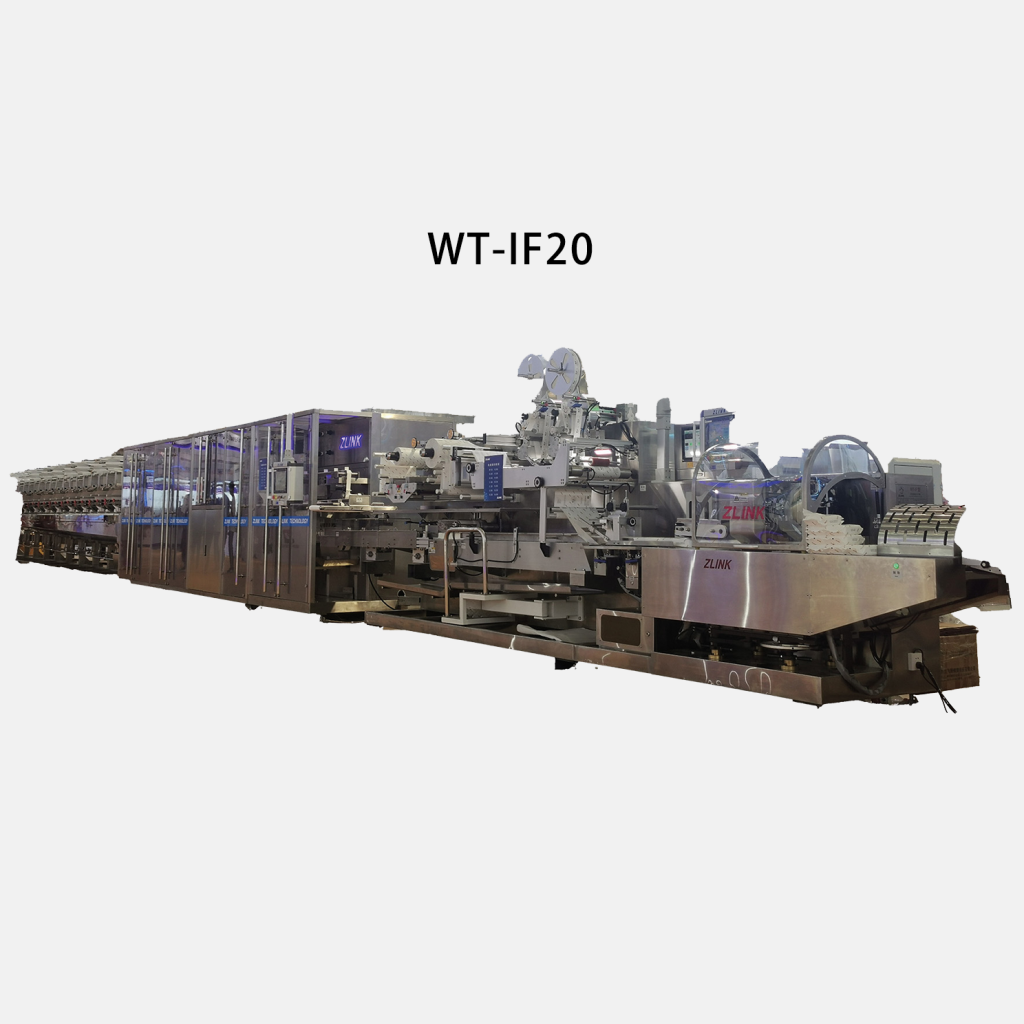
Here’s the scene: a wet-wipe line with a tired PLC control, a finicky web-tension system, and a handful of manual touches. The business wants speed, quality, and predictability — but the kit they have gives them none of those reliably. So what’s the practical path forward? I’ll walk you through the real problems, what hides behind the noise, and the ways forward — step by step. Right, let’s get on with it.
Where the old ways fall down: hidden flaws in classic production lines
What’s the real snag?
I want to be blunt: many traditional setups simply weren’t built to cope with modern expectations. If you look at a standard custom wet wipe production line design from a few years back, you’ll spot the weak points fast — manual rethreading, inflexible die-cutting stations, and basic servo tuning that can’t handle fast changeovers. I’ve seen lines where one mis-set air knife ruined an entire batch. It costs hours and a whole pallet of product, and that pain is rarely shown in the sales pitch.
Technically speaking, the core issues are predictable: poor integration between machines, inadequate PLC control logic, and sloppy web handling. These lead to quality drift, waste, and downtime. Look, it’s simpler than you think — most failures trace back to three things: inconsistent tension, insufficient feedback loops, and human-dependent adjustments. I’ve walked lines where operators had to “feel” the tension — not a system we’d endorse. — funny how that works, right?
Fixes and next principles: how new thinking changes the game
What’s Next?
Moving forward, I believe the trick is to rethink the principles, not just swap parts. Modern approaches favor modular custom wet wipe production line modules with smarter controls, closed-loop feedback, and servo-driven precision that make changeovers fast and repeatable. Instead of papering over a bad layout, fit in load cells for consistent dosing, upgrade to adaptive PLC logic, and use advanced die-cutting heads that self-calibrate. These aren’t buzzwords — they’re practical fixes we can measure with run charts and yield data.
In practice, that means investing in components like precision servo motors, high-resolution encoders, and improved web guides. Add a simple HMI that gives the operator clear prompts and alarms. The result? Less reliance on tribal knowledge, fewer scrap events, and faster mean time to repair. I’ve overseen retrofits where throughput rose by double digits within weeks. The catch: you must plan layouts and training together; otherwise the gains leak away.
Evaluation and action: picking the right path (three clear metrics)
To wrap up, I want to give you three practical metrics I use when comparing solutions — things you can test in a day on-site. First, changeover time: time how long it takes to swap formats and get back to spec. Second, first-pass yield: what percentage of product meets specs without rework. Third, downtime per shift: measure how many minutes are lost to stoppages. These numbers tell you more than any brochure or fancy video. Use them, insist on them. I do.
So, what should you do tomorrow? Start small: map your current line, time the changeovers, and note where operators step in. Then get quotes that show real expected yields and include retrofit options for better PLC control and web tension management. I’ll be honest — there’s no magic button, but there are practical steps that cut waste and make life less fraught. Choose kit that lets you measure and improve. In my experience, that’s the only way to make the investment pay back.
For hands-on upgrades and tailored layouts, I often point teams toward experienced builders who understand both mechanics and controls. If you want a place to start, check specialist suppliers and speak plainly about the three metrics above. We’ve done this work alongside manufacturers and seen steady wins. ZLINK has the range and experience to support that kind of evolution.