Comparative opening: a brief oracle of space and choice
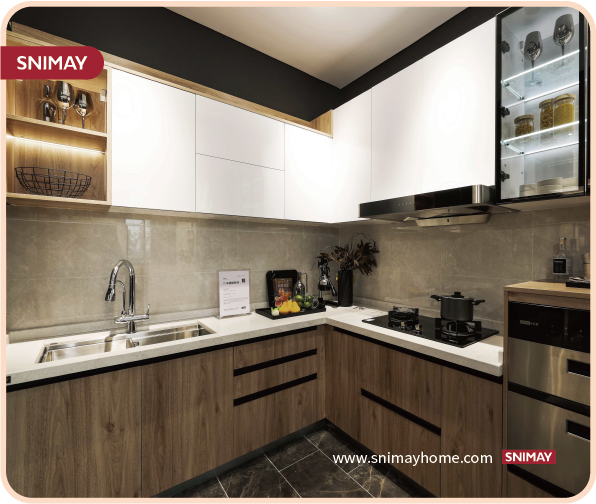
In a compact flat or a roomy townhouse, cabinetry can be the quiet magician that alters how much life fits beneath the ceiling. This comparative insight inspects custom Chinese kitchen cabinets alongside ready-made and bespoke local alternatives, revealing when a tailored cabinet truly expands usable living space. The first stroke of difference often lies in material and finish—so a keen eye should note options like stainless steel kitchen cabinets for durability and sleek reflection, which can visually broaden a room while resisting stains and wear.
Material and craft: stainless steel, modular logic, and finishing touches
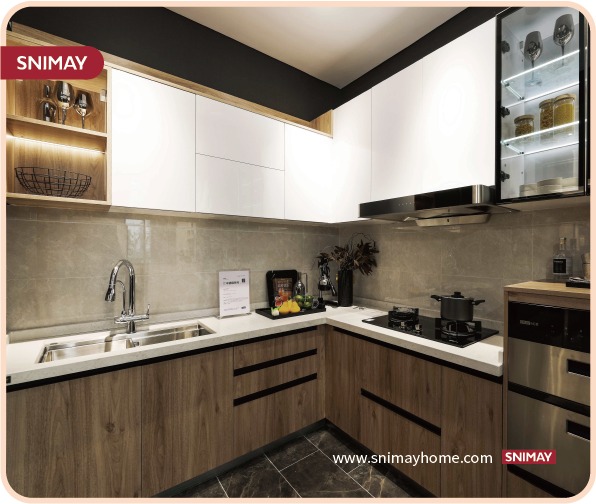
Chinese manufacturers frequently pair modular cabinetry systems with advanced materials—think stainless steel grade 304 bodies, PVD finish on visible panels, and engineered carcasses that mate precision to economy. In practice, these choices yield thinner but stronger walls, allowing deeper storage within the same footprint. Shenzhen and the greater Guangdong region, known manufacturing hubs, demonstrate this capability: the clustered supply chain there reduces lead times and keeps tooling options flexible, a real-world anchor for predictable delivery and scalable customization.
Design strategies that actually maximize living space
Space gains come from three design maneuvers: reclaim vertical zones, compress wasted dead-space, and integrate multifunction elements. Vertical pull-outs, full-height pantries, toe-kick drawers and corner carousels reconfigure cubic volume into accessible storage. Integrating appliances into the run—dishwashers tucked under counters, slimline hoods—preserves floor area. These are not mere flourishes; they are algorithms of layout turned physical. Use modular cabinetry to kit out repeatable units that reduce joint waste and permit later reconfiguration.

Comparative pitfalls and common mistakes
Buyers often mishandle two things: measurement fidelity and finish-spec alignment. Measurements taken without allowances for door swing or hinge clearance yield cabinets that crowd or clash—an avoidable friction. Finish mismatch is subtler; expect a specified PVD or powder coating color to read differently under your kitchen’s light temperature. – Consider a physical sample or a small mock panel before mass ordering. Also avoid one-size-fits-all assumptions: what reads well in a coastal apartment may feel cold in a heritage terrace unless tempered with warm hardware or wooden accents.
Alternatives weighed: local carpentry versus Chinese custom runs
Local carpenters deliver nimble iterations and instant tweaks; they win on immediate presence. Chinese custom runs excel in repeatable precision, material science options, and cost-effective modular systems—especially for designs that demand stainless surfaces or specialized door hardware at scale. For projects emphasizing longevity and corrosion resistance in humid climates, consider sourcing from trusted manufacturers offering stainless options—search results for stainless steel kitchen cabinets china often reveal firms that combine industrial-grade panels with residential aesthetics.
Brand fit and selection mechanics
Choosing a brand should hinge on three evaluative axes: production transparency, lead-time reliability, and aftercare provisions. Verify factory photos, ask about tooling tolerances, and request a clear warranty that covers moving parts like soft-close hinges and drawer runners. Look for suppliers able to document corrosion resistance metrics and material grade—practical signals of seriousness that separate polished vendors from mere merchants.
Advisory: three golden rules for selecting the right custom kitchen strategy
1) Prioritize measured adaptability: insist on modularity so units can evolve as your needs change. 2) Demand sample verification for finishes and hardware to avoid aesthetic mismatch and functional surprises. 3) Confirm logistical clarity—lead time, freight terms, and a clear warranty scope—so your installation schedule is not a fog. These rules convert promise into predictable outcomes and protect your time and budget.
In the end, the value of a well-chosen custom cabinet is both arithmetic and poetry: it rearranges cubic meters into calm, useful ritual. For projects that need a blend of industrial-grade material knowledge and residential grace, a supplier rooted in the manufacturing networks of China often provides the best balance—practical, precise, and patient. SNIMAY. –