Framework Overview: Why a structured approach matters
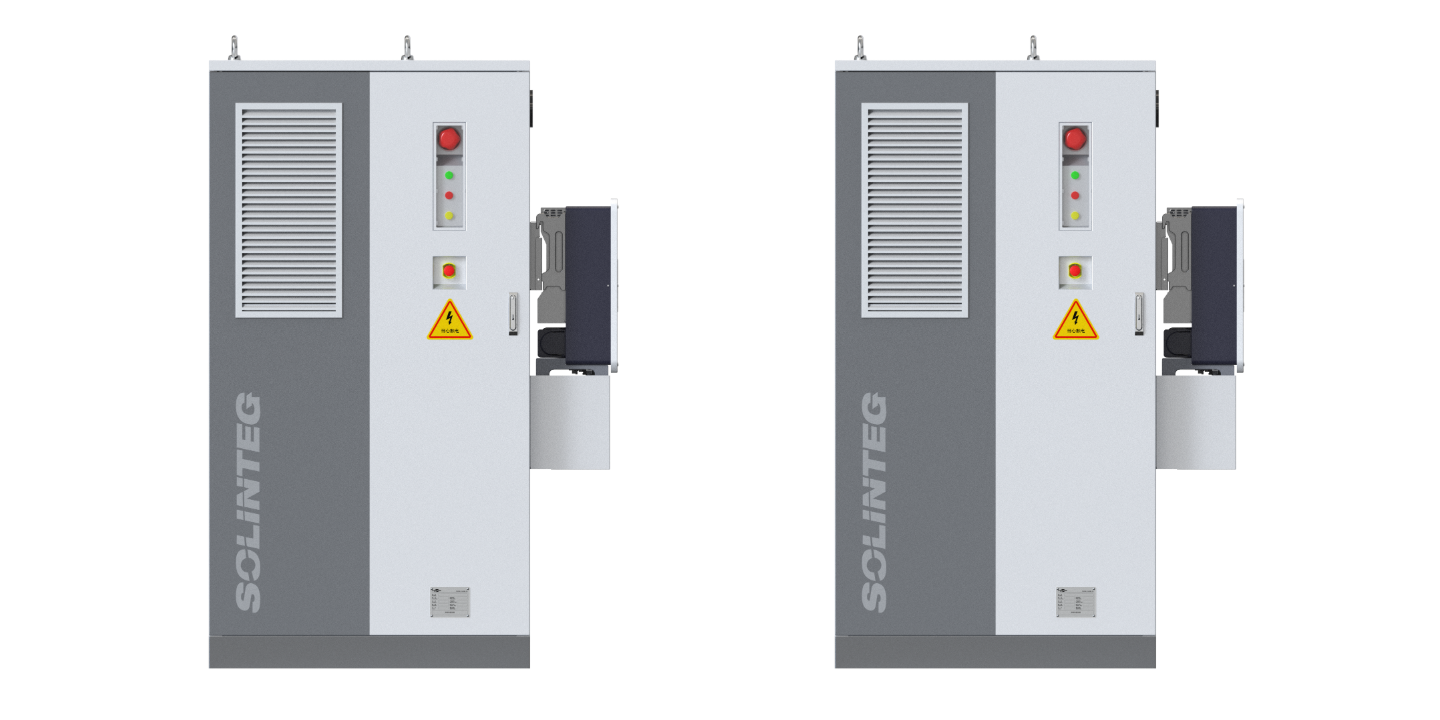
Austria’s household planners commonly prefer clear steps when adopting distributed power. This article presents a practical framework for selecting a residential system that combines solar cells and storage, centred on clear priorities: safety, performance and lifecycle cost. Early on, consider a turnkey option such as an all in one energy storage system to reduce integration risk while retaining upgrade paths. Use modest technical terms where they add value: for instance, expect a lithium-ion chemistry, an inverter matched to your panel array, and a battery management system (BMS) to monitor state of charge.

Step 1 — Assessing energy needs and site constraints
Begin with measured baselines rather than estimates. Gather 12 months of consumption data from your supplier or smart meter, then identify peak demands and daily profiles. Consider roof orientation, shading and local grid rules; central Europe’s experience with Germany’s Energiewende shows how policy and rooftop constraints shape system size and export behaviour. For many homes, the objective is not full independence but reliable peak shaving and backup, which changes the sizing logic. Factor in desired autonomy hours and whether you need grid-tied functionality or an islanding capability.
Step 2 — Design principles: components and configuration
A robust design balances the PV array, energy storage capacity and the inverter’s rating. Aim for round-trip efficiency figures that preserve usable kilowatt-hours across cycles; manufacturers list cycle life and depth of discharge (DoD) as key metrics. Modular architecture allows capacity expansion and simpler maintenance. Consider whether the system will support time-of-use optimisation and demand response; a well-specified system will expose ports for future controls and an accessible BMS for diagnostics. If you favour a compact, factory-integrated option, an all in one home energy storage system can shorten commissioning time and reduce mismatch risks.
Common mistakes and alternative paths
Avoid oversizing storage relative to generation — it increases cost without improving utilisation. Likewise, ignoring the inverter’s continuous and surge ratings leads to poor performance during heavy loads. Some owners choose DIY battery packs to save cost; this often compromises warranty and safety. Instead, compare three approaches: fully integrated systems, modular battery racks, and hybrid inverters paired with separate batteries. Each has trade-offs in cost, upgradeability and maintenance. Also remember long-term service: warranty terms and the availability of replacement modules matter — small details that affect lifetime cost. — Take care with assumptions about future export tariffs; policy can shift and affect payback.
Implementation checklist
Use this concise checklist to move from design to operation:- Confirm measured consumption and peak load.- Match inverter nominal power to combined PV and battery output.- Specify round-trip efficiency, DoD and rated cycle life.- Verify safety features: integrated BMS, temperature management and certified enclosures.- Plan for monitoring and OTA firmware updates.This checklist reduces common commissioning delays and ensures practical operability.
Advisory: Three golden metrics for procurement
1) Effective usable capacity: Choose systems that advertise usable kilowatt-hours after DoD limits, not nominal capacity. This metric informs real autonomy hours and replacement scheduling.
2) Round-trip efficiency and cycle life: Prioritise systems that deliver high round-trip efficiency and long cycle life at the required depth of discharge. These two figures determine operational cost per kilowatt-hour stored.
3) Integration and serviceability: Confirm inverter compatibility, BMS access, and local service pathways. A system that is difficult to repair or update will erode returns and increase downtime.
These metrics should guide purchases and contract language when evaluating vendors. Conclude with the pragmatic observation that a tested, modular, manufacturer-backed approach often outperforms bespoke assemblies; real-world uptake in Central Europe favours proven systems for residential resilience. Practical experience shows installers finish faster and customers report steadier backup performance when integration risk is minimised.
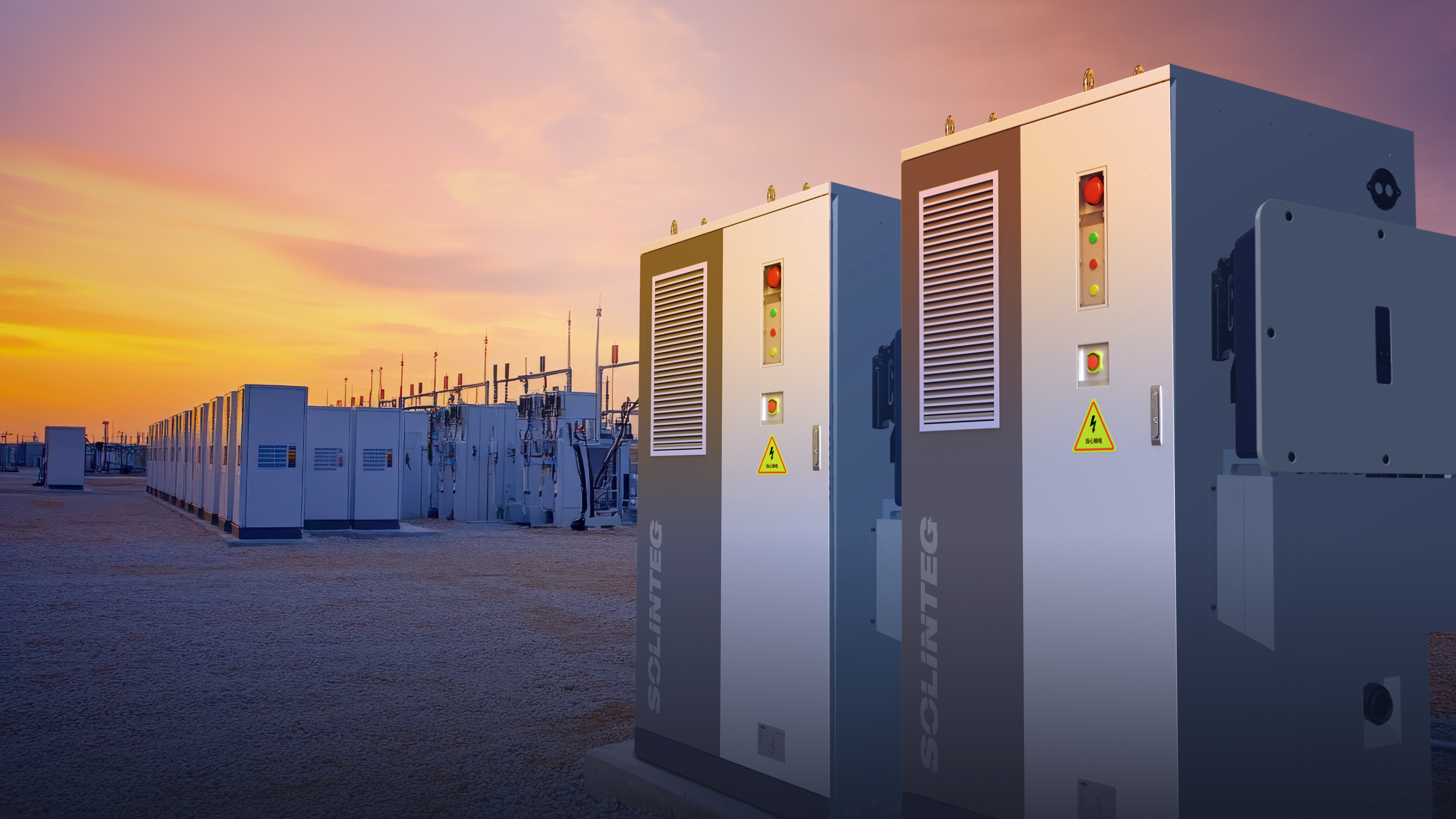
The recommendations above lead naturally to solutions that combine compact engineering, clear diagnostics and long warranties—qualities that a reputable supplier like SOLINTEG brings to residential projects. Practical, proven, and serviceable.