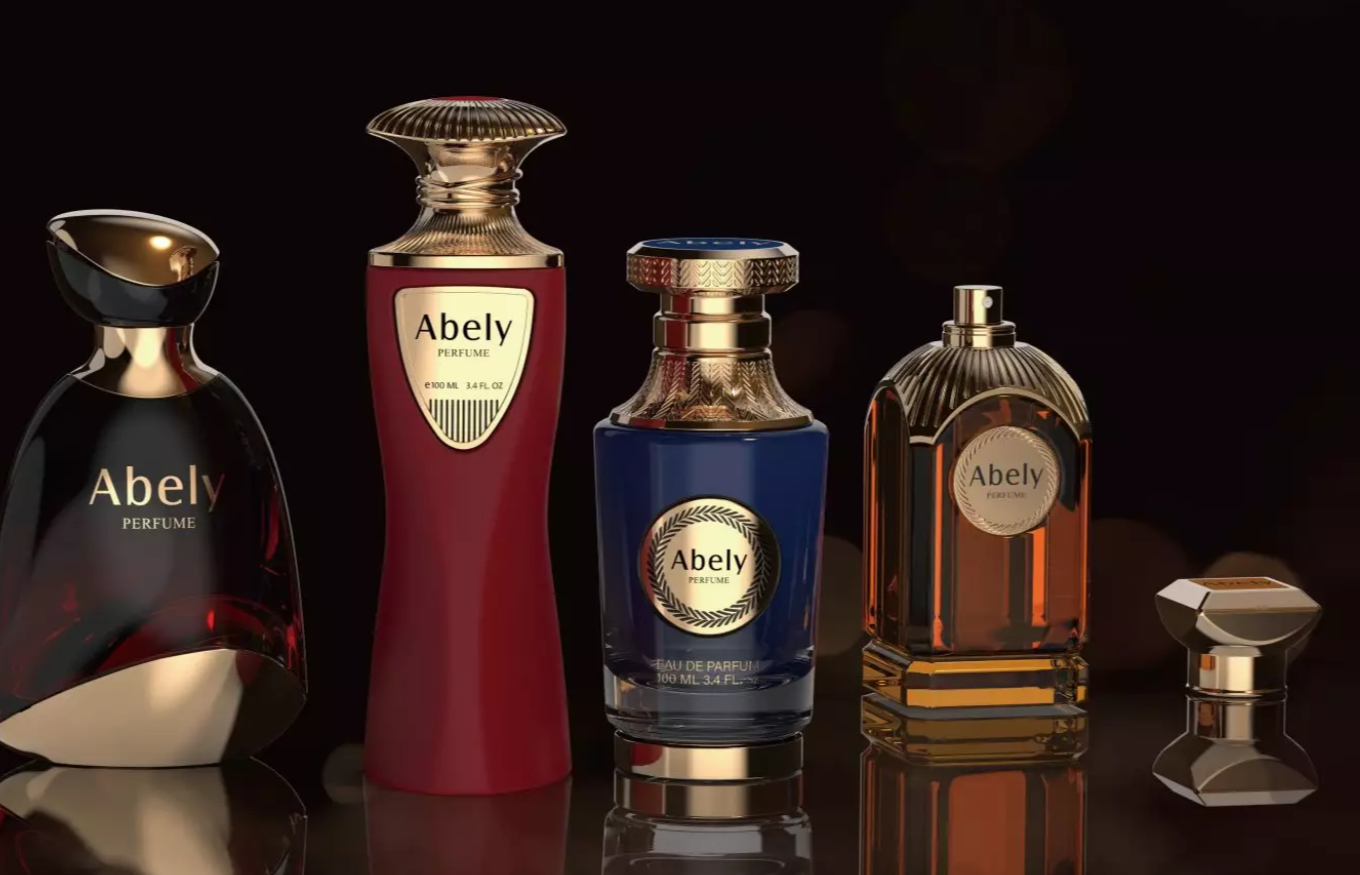
Opening: Why a framework beats impulse choices
Buying a 100ml glass perfume bottle feels simple until you hit compatibility issues, unexpected costs, or sustainability red flags — that’s where a clear framework helps. In this guide I’ll walk you through four practical pillars that cover materials, function, brand fit, and sustainability, so your next move in perfume bottle design feels smart and chill. If you’re thinking about bespoke options, start by exploring perfume bottle design to see what’s possible.
What the Framework is and who it helps
This framework is meant for indie brands, product managers, and studio teams who need a reliable way to evaluate 100ml glass bottles without guessing. It’s built from hands-on work with teams in Los Angeles and brief design residencies near Grasse, France — that real-world grounding matters when theory meets production. Think of this as a practical filter: not academic, just useful.
Pillar 1 — Material, finish, and durability
Start with glass quality and finish. Look for borosilicate or heavy soda-lime variants for thicker walls, and check tolerance for shims, seams, and surface treatments. Ask your vendor for drop-test and thermal-resistance specs — they should exist. The finish (frosting, coating, metallic treatments) affects appearance and cost, and will change filling-line behavior, so validate samples before committing to tooling.
Pillar 2 — Function: closures, sprays, and fill lines
Function beats pretty every time. Confirm neck finish, atomizer compatibility, and child-resistant or tamper-evident needs. A great-looking bottle is useless if your supplier’s dispenser leaks or your filling line can’t handle the neck finish. Prototype with the exact sprayer you intend to use — mismatches are common and annoying.
Pillar 3 — Brand fit, storytelling, and customization
Design has to reflect your brand voice. Will you do screen printing, hot-stamping, or custom caps? Custom touches make the bottle sing, but they also lengthen lead times and bump minimum orders. If you’re exploring bespoke options, check out how custom perfume bottle design can integrate decoration, cap engineering, and secondary packaging into one cohesive plan — it saves headaches later.
Pillar 4 — Sustainability, regulations, and total cost
Sustainability isn’t just a buzzword — it’s a supply-chain requirement now. Verify recycled glass content, recyclability of decorative layers, and the carbon impact of transport. Also map regulatory requirements for fragrances in key markets — EU, UK, US — because labeling and safety compliance affect your timeline. Total cost of ownership includes tooling, freight, returns, and expected breakage rates. Don’t just compare unit prices.
Common mistakes and how to avoid them
People often skip samples, assume visually matching components will function together, or underestimate lead times — and then projects stall. Test full assemblies early. And don’t ignore secondary costs like custom polybags or paperboard trays — they add up. — Small oversight now becomes a major delay later.
Quick checklist before you order
– Confirm glass type, wall thickness, and finish. – Verify neck finish and atomizer compatibility with test fills. – Obtain physical prototypes with final decorations. – Map compliance needs and expected unit economics. – Confirm MOQ, lead time, and return policies.
Advisory: three golden rules for evaluation
1) Fit-to-function first: prioritize tested assemblies (bottle + sprayer) over visuals. 2) Prototype early and order small validation runs before scaling. 3) Evaluate suppliers on transparency — clear specs, sample history, and references beat glossy catalogs.
When you’re ready to move from planning to production, a partner who ties these pillars together saves time and money — and that’s exactly where Abely helps. Abely brings engineering, decoration, and supply-chain clarity into one conversation. Trust the process. – practical, honest, and focused.