Introduction: A Quiet Failure, Counted in Minutes
An hour before sunrise, a depot stands silent while a single bay blinks fault. The EV charger power module at its heart still shows “ready,” yet drivers wait, and the schedule slips. In many cities, such stalls add up. Data from fleet audits show that 1 in 4 charging delays stem not from the grid, but from local conversion and control. Small things—like thermal derating in a sealed cabinet or a jittery control loop—become lost time. And lost time becomes lost miles. Here is the question that follows (and it is plain): are we reading the right signs, or only reacting to symptoms?
I share this as a student of how systems age, not as a judge. We have learned that logs can mislead, and that service calls can mask root cause. Today, we frame the issue anew, in simple terms. We will compare what the eye sees with what the meter knows, and then ask what must change next. Let us cross from rumor to reason—and onward to design.
The Deeper Layer: Hidden Pain Points Behind the Plug
What do users really face?
Let us be technical, and plain. Users blame cables and cards, yet the pain often starts inside the power stage. Thermal derating hides behind a normal LED. The unit passes a short test, then sags when real duty begins. Edge computing nodes at the curb push data fast, but the module lags under heat, dust, or salt fog. EMI filters drift. Control loops hunt. Power factor correction holds at full load but drops at 30%, which is when most fleets top off—funny how that works, right? Look, it’s simpler than you think: the gap is not only peak kW, but stable kW across the day.
Service teams feel it in other ways. A CAN bus alarm clears after a reboot, yet the contactor cycles rise. Fans run hard and pull grit; bearings then sing. The enclosure seems fine, while hotspots grow near the IGBT or SiC stage. Operators record uptime, but not the micro-failures that break trust. These are the quiet faults. They live between specs and streets. And they are the real reason a queue forms when rain and cold arrive.
Forward View: New Principles, Fewer Compromises
What’s Next
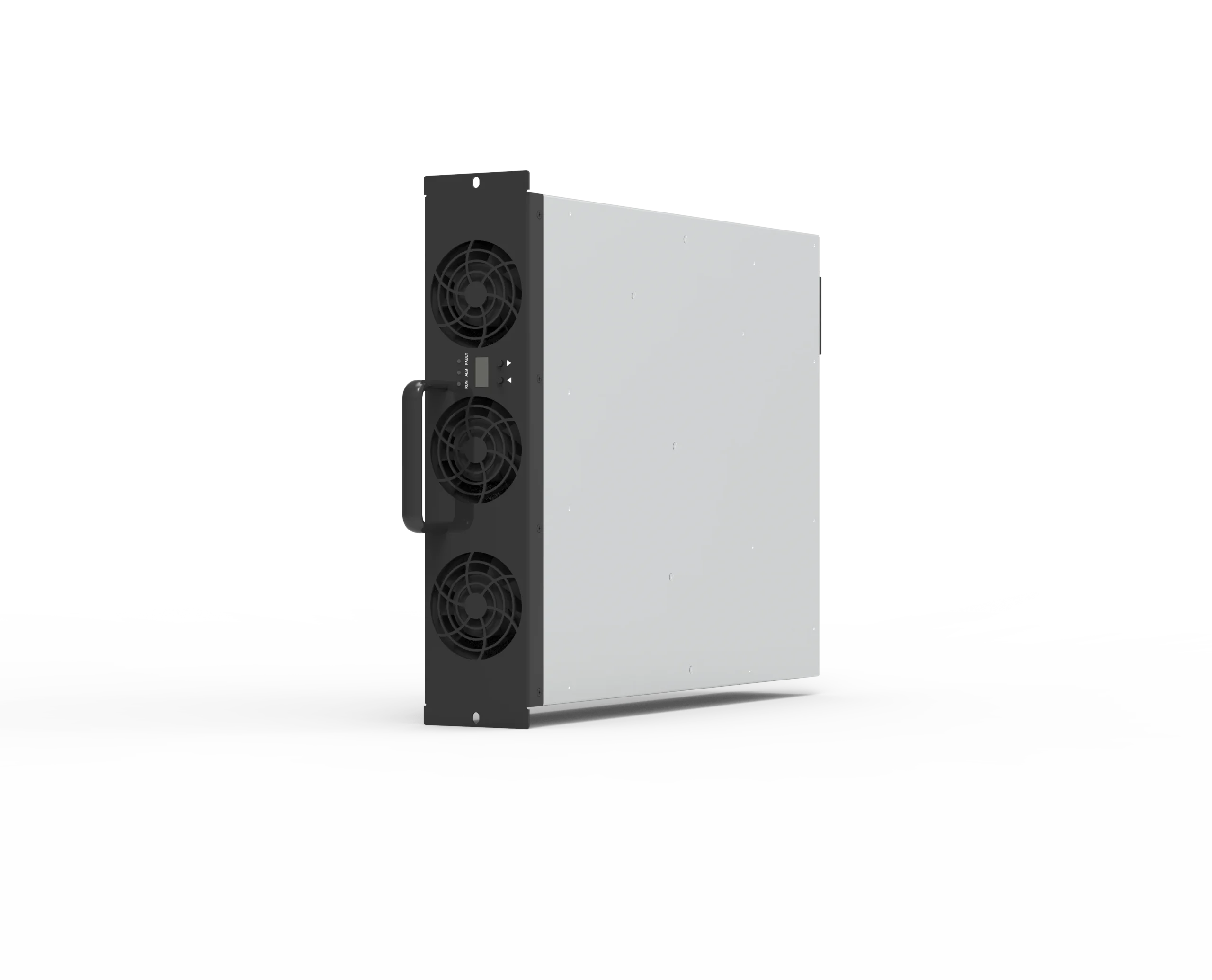
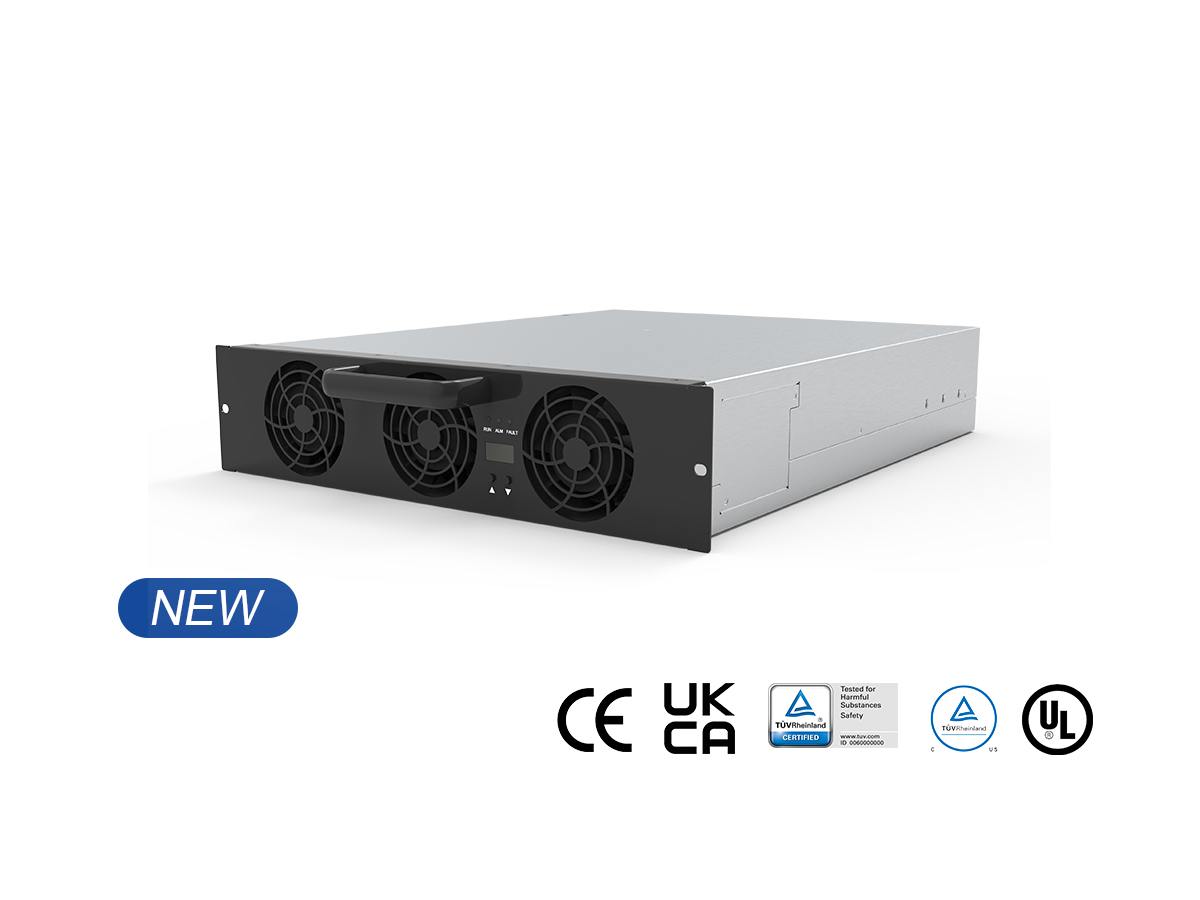
Now we shift to what fixes the root. New modules start with materials and layout. A dense busbar cuts stray inductance; the digital control loop stays stable under ripple; thermal paths drain heat without noisy fans. A fully potted charging module changes the baseline: resin locks components, spreads heat, and stops moisture creep. This boosts MTBF and tamps down vibration fatigue. Pair that with SiC MOSFETs and active current sharing, and you hold output steady from trickle to surge. Not just on a bench. On a wet curb, on a hot roof, in salted air.
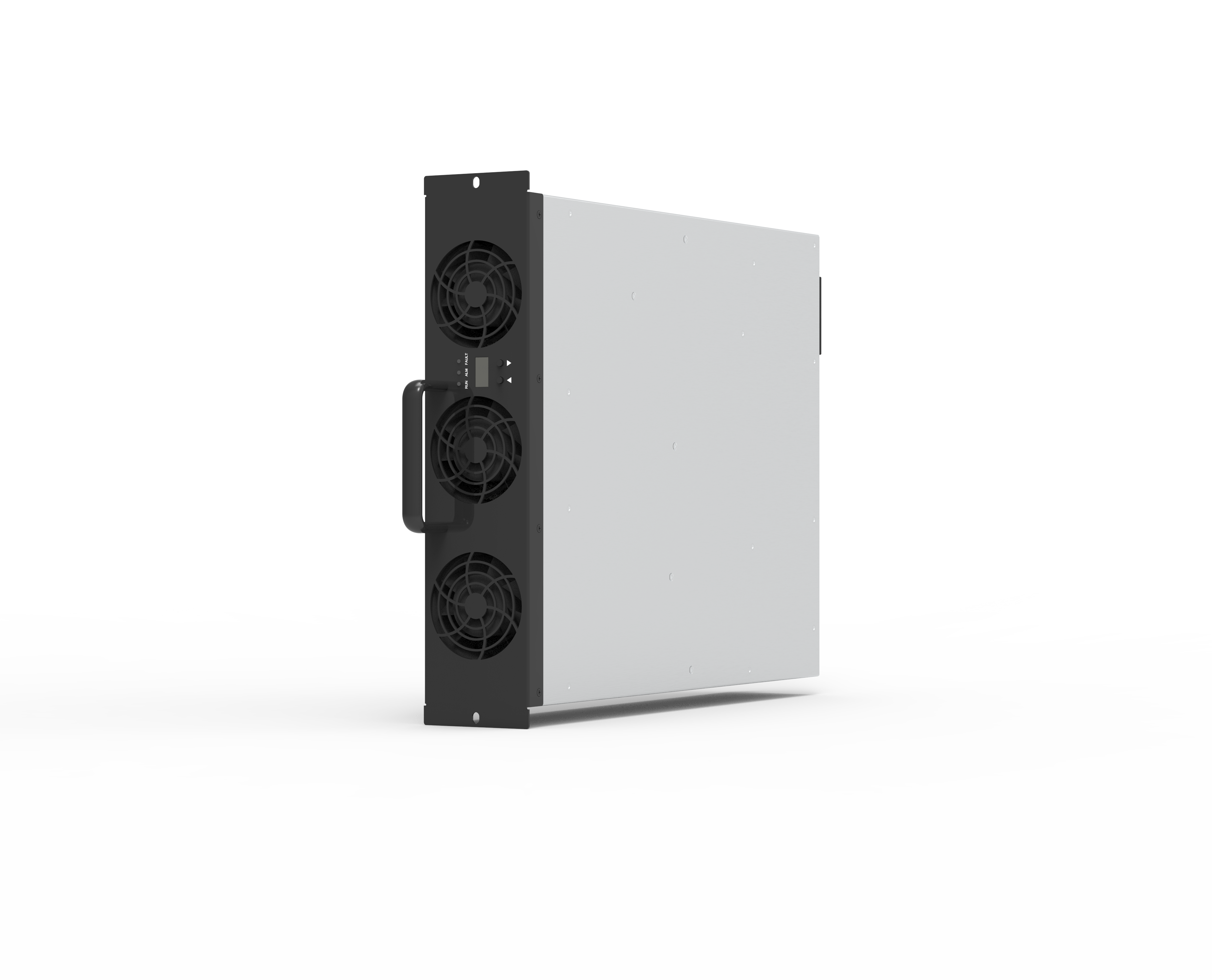
The principle is simple—seal, sense, and adapt. Seal against shock and ingress. Sense with fine telemetry, not coarse alarms. Adapt via model-based control that keeps the power converters in a safe, efficient window. Do this and partial-load efficiency rises; THD falls; derating events drop. The result is shorter queues and fewer “ghost” tickets. It feels like an upgrade in people’s time, not only in kilowatts. Wait, there’s more—keep it simple, keep it steady, and the whole yard moves on time.
How to Choose What Comes Next
Let us be practical and brief. Three checks tell the tale. 1) Thermal honesty under real duty: verify hotspot delta at 25%, 60%, and 100% load in a sealed box; ask for Rθ path data, not just a max spec. 2) Power quality at partial load: confirm power factor above 0.98 and low THD when idling and ramping; watch the transient response on step loads. 3) Resilience and service logic: demand MTBF data tied to environment class, a clear mean-time-to-repair path, firmware rollback, and open telemetry (CANopen or Modbus) for your tools. Compare these across vendors, not just by price. Then weigh queue time saved per week. That is the number operators remember. If you can ground your choice in those measures, the rest aligns—and people get home on time.
In closing, the choice is not about a spec sheet, but about steady miles and quiet shifts. Select on proof, not promise, and you will feel the difference at the plug and in the schedule. For a practical starting point, see fully potted charging module designs that embody these principles, and consider how they map to your own sites. Knowledge shared is time saved. For more context and options, visit winline EV charger.