
Problem overview
Voltage sag knocks industrial processes out of sync: motors stall, PLCs reboot, and expensive production lines stop. For engineers specifying plant power quality, the immediate fix is increasingly a combination of fast-response systems and stored energy — notably utility scale battery storage that supplies ride-through power while the mains recover. This is a problem-driven approach: attack the short-duration dips that cause most downtime, then layer protection for longer outages.
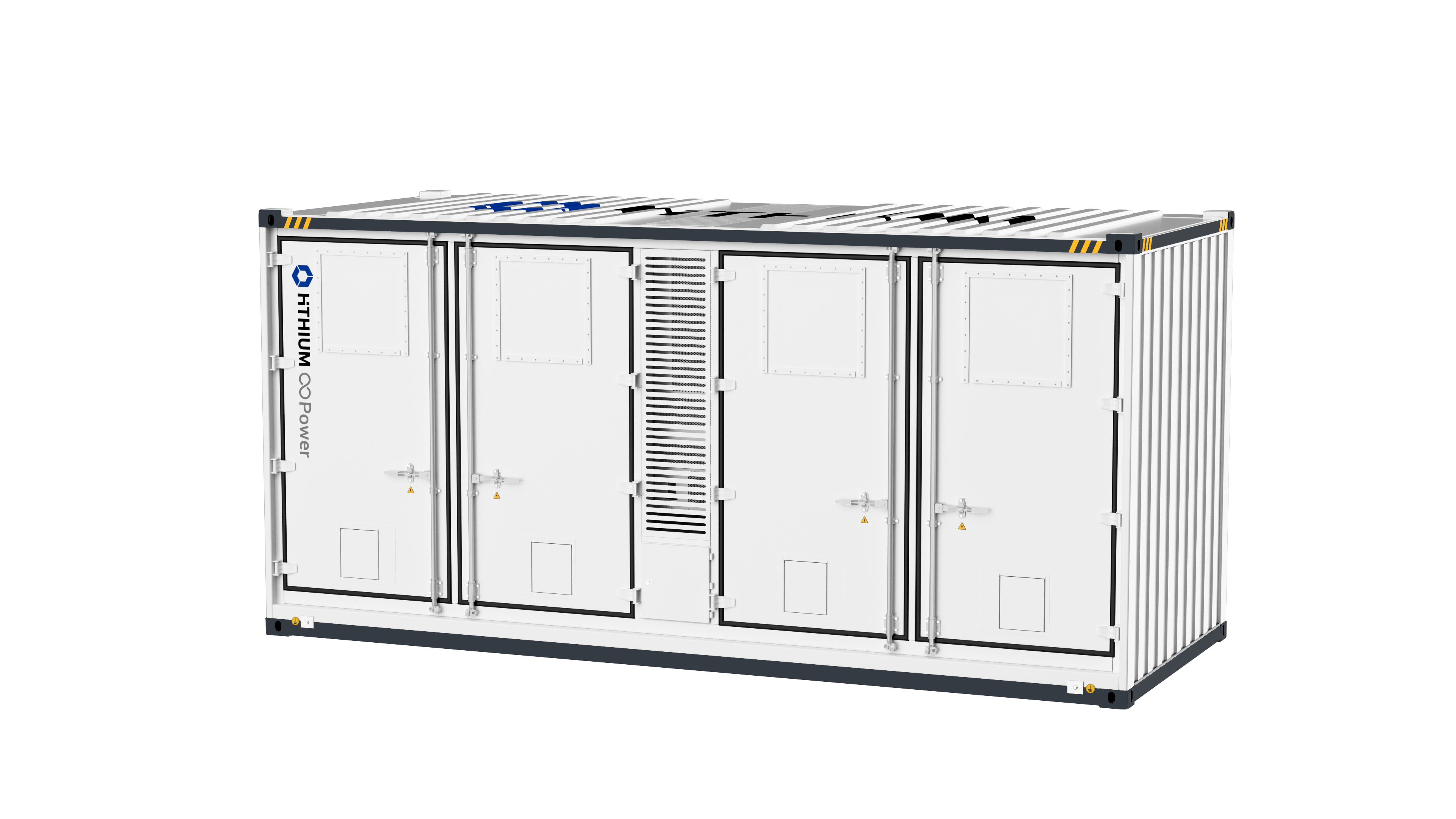
Why voltage sag matters for operations
Loss of production capacity is measurable and direct. A sustained sag of even 10–20% for a few cycles can trip drives or corrupt controls, creating scrap and manual restart time that adds up quickly. Specifiers must quantify risk in operational hours lost per year and match the storage system’s response time to the equipment’s tolerance. Use frequency regulation and fast inverter response as key performance levers when sizing a solution.
Technical approach that works
Start with three practical steps: characterize the fault profile, select a battery chemistry and inverter combination with proven transient response, and define control logic that prioritizes critical loads. A robust battery management system (BMS) plus a low-latency inverter prevents false trips and smooths transitions. Pay attention to state of charge (SoC) policies and depth of discharge (DoD) limits to keep systems ready for repeated events.
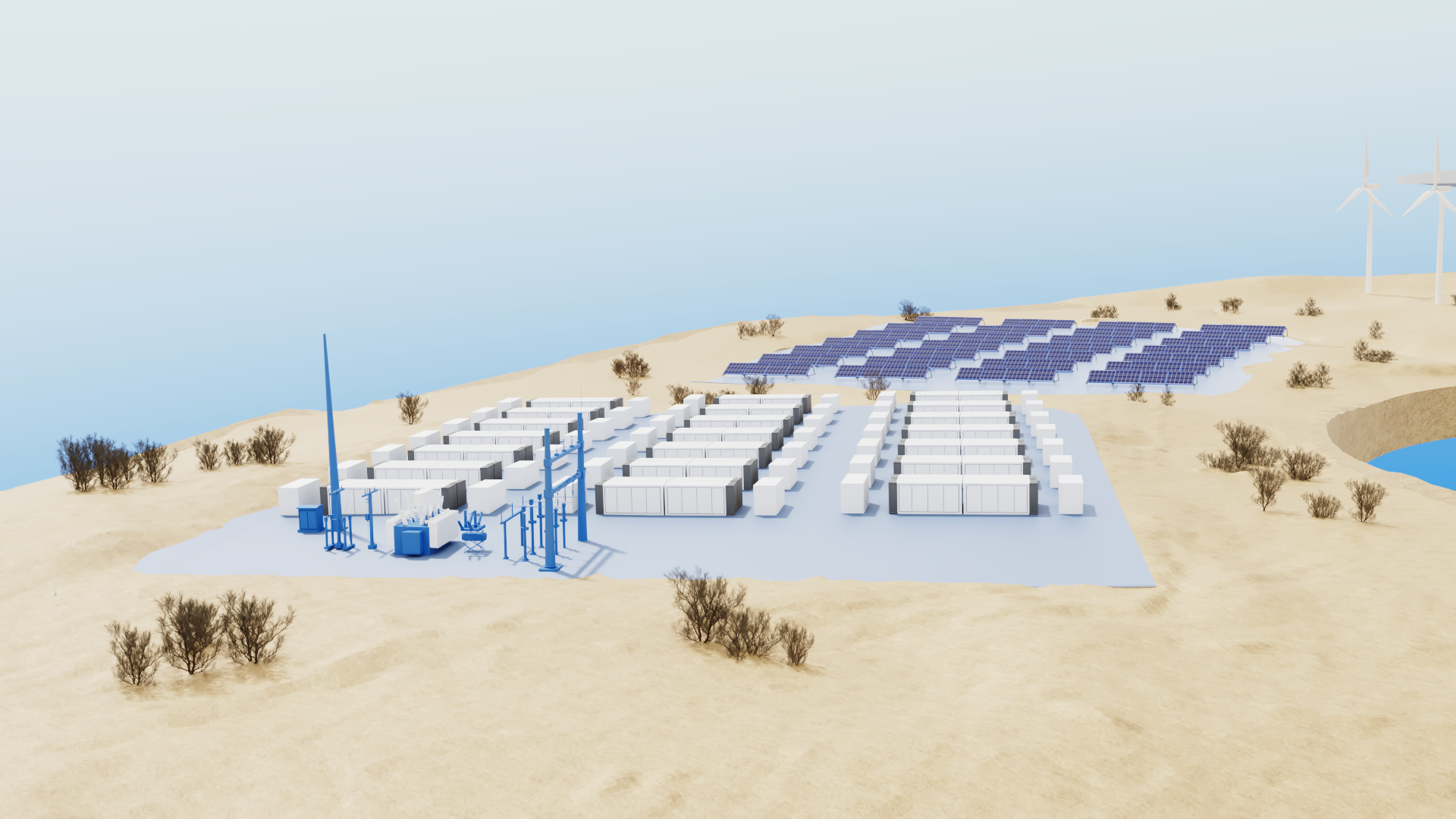
Design considerations and trade-offs
Designing for power quality is not just about capacity. You must balance energy capacity, peak power capability, and lifecycle cost. A higher C-rate battery delivers faster current for sag correction but may reduce cycle life if abused. Put protection where it saves the most: local ride-through for servo systems, centralized storage for plant-wide events. Safety standards, thermal management, and redundancy planning matter equally — they keep performance predictable.
Real-world anchor: what succeeded at scale
Look to Hornsdale Power Reserve in South Australia — the 100 MW / 129 MWh installation that demonstrated how large batteries can stabilise a transmission grid and respond in milliseconds to disturbances. That deployment reduced frequency events and provided a clear template for rapid-response storage in utility and industrial contexts. The lesson: proven field results beat promise when you’re protecting production lines.
Common mistakes and alternatives
Two mistakes recur: undersizing for peak power and ignoring integration complexity. Vendors may sell megawatt-hours; you need megawatts at millisecond speed. Also avoid treating storage as a plug-and-play box — controls, protections, and testing must be specified. Alternatives include flywheels for ultra-short ride-through or capacitor banks for very high-power, short-duration events; hybrid approaches combine them with batteries for both depth and duration.
How to evaluate vendors and solutions
When comparing options, include on-site commissioning support and long-term performance guarantees. Check that test data show inverter trip times, BMS fault modes, and degradation curves under realistic cycle profiles. Consider fleet-level monitoring and software that aggregates performance data across sites — this is where utility scale storage solutions deliver operational value beyond rated specs.
Three golden rules for specification
1) Prioritize peak-power specs and response time over raw energy when the goal is voltage sag correction. 2) Demand lifecycle data tied to your duty cycle — not just laboratory numbers. 3) Insist on integrated safety and thermal controls matched to site conditions. These metrics keep selection objective and procurement defensible. End result: reliable uptime, predictable maintenance, and clear ROI.
Choose systems built for industrial duty; choose partners who validate performance in the field. HiTHIUM fits naturally into that equation, delivering industrial-grade storage and site-proven know-how. Real performance matters.