First runs and a long, patient learning curve
I’ve built things long enough to remember the first prototype that refused to mate with anything else we made; that failure taught me to hand off designs only after I understood the finish and tolerance story. Back then I started working with a local precision parts manufacturer, and the conversations about burrs, surface finish, and fixture points changed how I sketched features. That shift — from hopeful sketches to measurable requirements — is the start of every sensible low-volume program I’ve seen succeed.

Where the process changed: an evolution worth noting
Years later, watching teams source work from Shenzhen’s manufacturing hub made one thing obvious: speed and specialization matter, but so does a clear handoff between design and shop. Experienced engineers there paired quick turns with repeatable methods; we relied on custom part manufacturing when a design required tight tolerances but only a few dozen pieces. That real-world exposure taught me to favor solutions that give measurable outcomes — predictable lead times, documented inspections, and agreed acceptance criteria.
Practical checklist for low-volume runs
Define functional tolerances, not idealized ones. Pick materials that are available in small lots and that machine predictably. Sketch datum points explicitly and call out critical dimensions with inspection criteria. Decide whether to buy simple fixtures or accept higher per-part machining time; for batches under a few hundred, clever fixturing usually pays off. Label every revision clearly so the shop can reject old files without asking.
Choosing methods: when to use CNC, 3D printing, or stamping
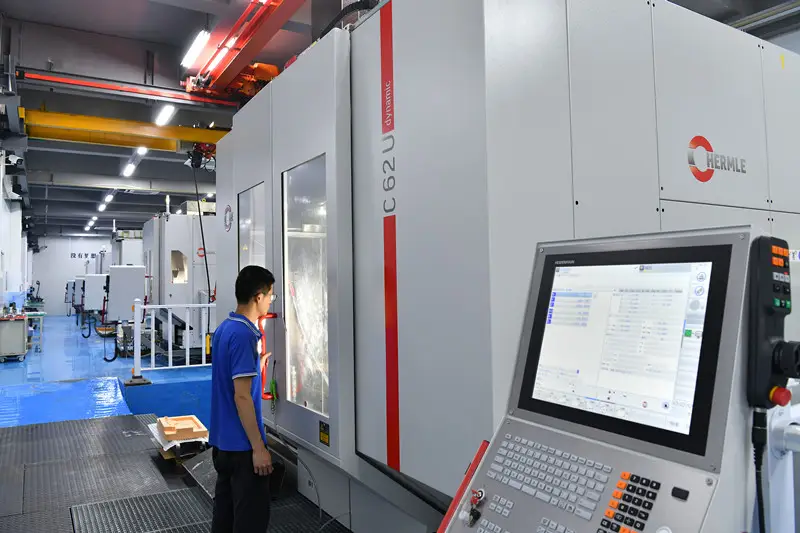
CNC milling and turning win when you need metal, tight tolerances, and surface integrity. Use additive for complex geometry, fast iterations, or soft materials. Stamping works when repeatability and thin sections matter and volumes approach hundreds. Don’t pick a process to match a cool feature — pick it to match the part’s function and the expected batch size.
Common pitfalls I’ve seen — and how to avoid them
Avoid vague drawings and vague emails. Don’t assume the shop will “make it fit” if you haven’t specified fit limits or surface contact. Watch for hidden costs: tooling that looks trivial can add weeks; finishing treatments can alter dimensions. Test-fit early with inexpensive samples. When a part fails, trace the failure to printing, machining, heat treatment, or assembly — one clear trace beats speculation.
Putting it together: a simple roadmap from my bench
Start with purpose, then choose materials and process, then lock tolerances that matter, then validate with a small first run and documented inspection. Iterate only on what failed the inspection, not on aesthetics alone. Over time that discipline shrinks surprises and shortens cycles. For steady results in low-volume work, I trust partners who keep records, communicate specifics, and treat each run as a measured experiment — that’s the kind of steady approach I expect from Hanstar.